



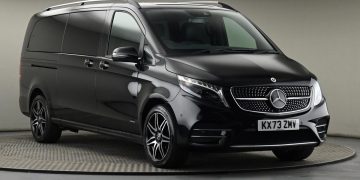
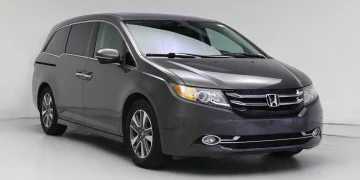


With the rising demand for electric vehicles (EVs) and the push towards a greener, more sustainable future, many consumers are considering making the switch from traditional internal combustion engine vehicles to electric-powered ones. One vehicle category that is seeing a growing interest in the EV market is the multi-purpose vehicle (MPV), also known as minivans or people carriers. MPVs are renowned for their practicality, offering spacious interiors, flexible seating, and ample cargo space—qualities that make them a popular choice for families and businesses alike.
However, one critical question remains for many potential buyers: Is the range of electric MPVs enough to meet the demands of daily use? While electric MPVs are beginning to appear in the market, range anxiety—the fear that an electric vehicle won’t have enough power to complete a trip without needing a recharge—remains a significant concern for consumers. In this article, we will explore whether electric MPVs can offer sufficient range for everyday commuting, long-distance drives, and all the other tasks that families and individuals rely on their vehicles for.
1. The Importance of Range for Electric MPVs
When it comes to electric vehicles, range refers to the distance the vehicle can travel on a single charge. For traditional gasoline-powered cars, range is less of an issue because refueling is quick and relatively easy, but for electric vehicles, the battery range is a crucial factor.
For families and individuals who rely on their vehicles for daily commuting, school runs, weekend trips, and longer vacations, the adequacy of the EV’s range is a key consideration. An electric MPV must provide enough range to handle these tasks without frequent and inconvenient charging stops.
2. Typical Range of Electric MPVs
As of now, electric MPVs are still a niche market compared to their petrol and diesel counterparts. However, several automakers have started releasing electric versions of popular MPVs, and some are already proving to have sufficient range for daily use.
The Range of Current Electric MPVs
Electric MPVs on the market today offer varying ranges, depending on the battery size and powertrain efficiency. Here are a few examples of electric MPVs currently available or coming soon to the market:
- Volkswagen ID. Buzz: This electric version of the classic Volkswagen Microbus has an estimated range of around 250-270 miles (400-435 kilometers) on a single charge, depending on the variant. This range is ideal for daily commuting, running errands, and even longer weekend trips.
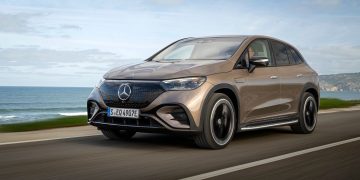
- Mercedes-Benz EQB: The EQB, an electric SUV that offers MPV-like versatility with three-row seating, has a range of about 250-260 miles (400-420 kilometers) on a full charge. Its range is ample for most daily activities, including grocery runs, school trips, and short to medium-length vacations.
- Tesla Model X: While not a traditional MPV, the Tesla Model X is an electric SUV with 7-passenger seating and a range of 360-370 miles (580-595 kilometers) on a single charge in its Long Range version. It’s a strong contender for families who want a large, practical electric vehicle with enough range for daily commuting and long trips.
Factors Impacting Electric MPV Range
Several factors can impact the actual range an electric MPV can achieve:
- Driving Style: Aggressive driving, rapid acceleration, and high-speed driving can reduce the overall range of an electric vehicle. A more conservative driving style can help maximize range.
- Terrain: Driving on hilly or mountainous terrain can also impact the range, as it requires more energy to climb steep inclines.
- Weather Conditions: Extremely cold or hot weather can reduce battery efficiency, as electric vehicle batteries tend to work less efficiently in extreme temperatures.
- Cargo Load: Heavier loads and additional passengers can also impact the range, particularly in MPVs that often carry multiple passengers and cargo.
3. Range and Daily Use: What Do Consumers Need?
For an electric MPV to be practical for daily use, it needs to meet several criteria:
Commuting Needs
The average commute distance for most people is usually between 20-40 miles per day. In this regard, even the electric MPVs with a range of 200-300 miles on a full charge provide ample distance for daily use. In fact, many drivers will only need to charge their EV once every few days, depending on their commute and other driving habits.
Errands and Short Trips
In addition to commuting, an electric MPV needs to be capable of handling short trips for errands, grocery shopping, and picking up children from school or extracurricular activities. For these tasks, the range of most electric MPVs is more than sufficient. Even a 200-mile range is more than enough to cover daily activities, especially in urban areas where driving distances are typically short.
Weekend Getaways and Family Road Trips
One of the most common concerns for consumers considering an electric MPV is whether it can handle long-distance trips or family vacations. While the range of electric MPVs may not be as high as some gasoline-powered vehicles, the advent of fast-charging networks has made it easier to travel long distances without worrying about running out of power.
- Supercharger Networks: Companies like Tesla have created extensive supercharger networks that allow drivers to quickly recharge their vehicles while on the go. For example, Tesla’s Supercharger stations can recharge a vehicle to around 80% of its battery in just 30 minutes, allowing for relatively quick stops during long journeys.
- Public Charging Infrastructure: While fast-charging infrastructure is expanding, it’s still not as widespread or as fast as Tesla’s network in some regions. However, with the increasing number of DC fast chargers being installed worldwide, electric MPVs can make longer road trips feasible, especially in regions with robust charging infrastructure.
Range for Larger Families
For families with more than four members or those who regularly travel with a lot of gear, cargo capacity and seating arrangements are important factors. Fortunately, many of the electric MPVs currently available offer a large cabin and ample cargo space, making them great for family vacations or transporting bulky items like luggage, sports equipment, or furniture.
With a 350-mile range, for example, a family could take a road trip from one city to another with minimal charging stops, provided that the destination or stops along the way have charging stations.
4. Overcoming Range Anxiety: The Future of Electric MPVs
One of the primary concerns of consumers when considering electric vehicles, including electric MPVs, is range anxiety—the fear of running out of battery power before reaching the next charging station. However, as battery technology improves and the charging infrastructure continues to expand, range anxiety is becoming less of an issue.
Improved Battery Technology
Battery technology is evolving rapidly, with companies investing heavily in developing solid-state batteries and higher energy density batteries. These advancements are likely to lead to increased range in electric MPVs over time. Additionally, battery efficiency continues to improve, meaning that future electric MPVs will be able to travel further on a single charge without increasing battery size or weight.
Better Charging Infrastructure
The development of fast-charging networks has also played a significant role in alleviating concerns about range. With the expansion of public charging stations, and especially with the Tesla Supercharger network leading the way, long-distance travel in electric MPVs is becoming more accessible and convenient. In many urban areas, charging at home with a Level 2 charger is sufficient for daily needs, reducing the reliance on public chargers for short trips.
5. Conclusion: Electric MPVs for Daily Use
The range of electric MPVs is more than sufficient for daily use for the vast majority of drivers. Whether you’re commuting to work, running errands, or going on a weekend trip, current electric MPVs offer a range that can accommodate most everyday activities. While long-distance travel may require planning around charging stops, the increasing availability of fast-charging infrastructure and improvements in battery technology are making it easier to take longer trips with electric vehicles.
As electric vehicle technology continues to advance, we can expect future electric MPVs to offer even better range, faster charging times, and greater efficiency, making them even more practical for both urban commutes and long-distance travel.
If you’re in the market for an electric MPV, options like the Volkswagen ID. Buzz, Mercedes-Benz EQB, and Tesla Model X already provide a robust range for daily driving, and with the right planning, they can certainly handle your long-distance road trips as well. The future of electric MPVs looks promising, and they are quickly becoming a viable option for families and individuals looking to make the switch to electric driving without sacrificing convenience or practicality.