







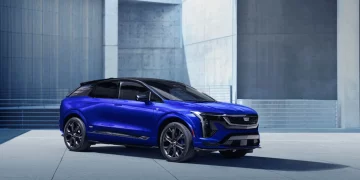

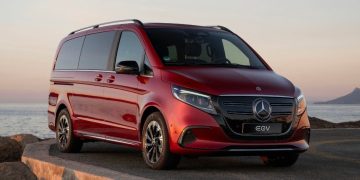










The rise of electric vehicles (EVs) in recent years has sparked a growing conversation across various industries about whether electric specialized vehicles can replace traditional fuel-powered models. As industries look to reduce their carbon footprint, improve fuel efficiency, and comply with increasingly strict environmental regulations, the question of whether electric specialized vehicles can fully take over the roles traditionally filled by fuel-powered vehicles becomes increasingly important.
Specialized vehicles, which are specifically designed for particular tasks like transportation of hazardous materials, heavy equipment, or refrigerated goods, are a vital part of many industries. In this article, we will examine whether electric specialized vehicles can effectively replace traditional fuel-powered models, considering factors such as performance, cost-effectiveness, operational capabilities, and environmental impact.
1. Understanding the Shift to Electric Specialized Vehicles
The transition to electric vehicles is part of a broader global shift toward sustainability and reducing the impact of transportation on the environment. In the case of specialized vehicles, such as refrigerated trucks, tanker trucks, and construction vehicles, the move to electric technology could have significant implications. While electric vehicles have long been a staple in the passenger car market, specialized vehicles face additional challenges due to their more demanding operational requirements.
Electric technology has advanced considerably in recent years, especially for passenger vehicles. The growing availability of high-capacity batteries, improved charging infrastructure, and innovative energy management systems means that electric specialized vehicles could be on the horizon. However, there are still several considerations that determine whether these electric alternatives can truly replace traditional fuel-powered models in the specialized vehicle sector.
2. Performance Comparison: Electric vs. Fuel-Powered Vehicles
One of the key considerations in replacing traditional fuel-powered specialized vehicles with electric ones is performance. Specialized vehicles are often used in demanding environments, such as construction sites, emergency services, or logistics, where they need to perform under tough conditions and carry heavy loads. The following performance factors need to be compared between electric and fuel-powered vehicles:
a) Payload and Range
- Electric Vehicles (EVs):
- Modern electric vehicles are becoming increasingly capable in terms of payload capacity. However, EVs are still limited by the energy density of current battery technology. For long-distance transport or heavy-duty use, such as transporting oversized loads, the available range on a single charge is a significant concern.
- The weight of batteries also reduces the available payload capacity. Heavy batteries can limit the overall carrying capacity of electric specialized vehicles.
- Fuel-Powered Vehicles:
- Traditional fuel-powered vehicles generally offer greater range per refueling, especially for long-distance or heavy-duty operations. A fuel-powered vehicle can often travel hundreds of miles on a single tank of fuel without losing significant load capacity.
b) Power and Torque
- Electric Vehicles:
- Electric motors are capable of providing instant torque, which can be beneficial for specialized vehicles that need to move heavy loads or climb steep inclines, such as construction trucks or emergency response vehicles.
- However, electric vehicles may struggle with sustained high-power demands over extended periods, such as those seen in high-performance construction machinery or mining trucks, where traditional combustion engines can maintain high power output for long hours of operation.
- Fuel-Powered Vehicles:
- Fuel-powered vehicles, especially diesel engines, are known for their ability to sustain high power and torque over long periods. This makes them ideal for demanding tasks such as hauling heavy equipment or operating under high-stress conditions.
c) Refueling vs. Recharging
- Electric Vehicles:
- Recharging infrastructure for electric vehicles is still developing, especially in remote areas or for specialized applications. In many cases, charging times can range from a few hours to overnight, which could result in longer downtime compared to the quick refueling times of traditional vehicles.
- Fuel-Powered Vehicles:
- Traditional fuel-powered vehicles benefit from ubiquitous refueling stations and the ability to quickly refuel, making them more practical for industries that require continuous operation without significant breaks. For example, long-haul freight and construction work often require vehicles that can operate without interruption.
3. Cost Considerations: Initial Investment and Long-Term Savings
While the performance aspects of electric specialized vehicles are important, cost-effectiveness is often a deciding factor for businesses when choosing between electric and fuel-powered vehicles. The cost of ownership includes the initial investment, operating costs, and maintenance.
a) Upfront Costs
- Electric Vehicles:
- The initial cost of electric specialized vehicles is generally higher than their fuel-powered counterparts due to the expensive battery technology. Although battery prices are dropping over time, electric vehicles are still an expensive investment, especially for heavy-duty and specialized applications.
- Fuel-Powered Vehicles:
- Fuel-powered specialized vehicles tend to have a lower upfront cost, making them more accessible for businesses with limited budgets. However, their higher fuel consumption and maintenance costs can lead to increased long-term expenses.
b) Fuel and Maintenance Costs
- Electric Vehicles:
- Electric vehicles are known for having significantly lower operating costs, especially in terms of fuel. The cost of electricity is typically much lower than the cost of fuel, and EVs have fewer moving parts, which means reduced maintenance and fewer repairs over time.
- However, the battery replacement cost can be high, although this is becoming less of an issue as battery technology improves and becomes more affordable.
- Fuel-Powered Vehicles:
- While fuel-powered vehicles generally have higher fuel costs, they tend to have a more established maintenance network, and the cost of routine servicing is predictable. However, the pollution caused by fuel-powered vehicles may result in additional costs, such as fines for not meeting emission standards or penalties in low-emission zones.
c) Total Cost of Ownership (TCO)
- The total cost of ownership for electric specialized vehicles, considering both initial and long-term expenses, is becoming more competitive with fuel-powered vehicles. However, industries where long-distance travel and heavy-duty tasks are required may still find electric vehicles less cost-effective until battery technology improves further.
4. Environmental Impact and Sustainability
A key driver behind the shift towards electric vehicles is their environmental benefits. Electric specialized vehicles offer the potential to significantly reduce greenhouse gas emissions and improve air quality, particularly in cities and areas with high pollution levels.
a) Emissions and Pollution
- Electric Vehicles:
- Electric vehicles produce no tailpipe emissions, making them a cleaner option for industries operating in urban environments or areas with strict environmental regulations. This is particularly important for industries like waste management, logistics, and public transportation.
- Fuel-Powered Vehicles:
- Fuel-powered vehicles emit carbon dioxide (CO2) and other pollutants, contributing to climate change and air pollution. For industries with high fuel consumption, such as construction and mining, this can result in significant environmental costs, as well as regulatory penalties.
b) Sustainability
- Electric vehicles are often viewed as a more sustainable option due to their potential to be powered by renewable energy sources, such as solar or wind power. As electricity grids become greener, the overall carbon footprint of electric specialized vehicles will continue to decrease.
5. Industry-Specific Challenges
Certain industries may face more significant challenges when transitioning to electric specialized vehicles due to the nature of their work.
- Construction and Mining: The heavy-duty nature of construction machinery and mining trucks requires high power and long operating hours, both of which are difficult to achieve with current battery technology. The bulky and heavy batteries required for these tasks may limit the overall functionality of electric vehicles in these sectors.
- Transportation and Logistics: For long-haul trucking and logistics operations, the lack of widespread fast-charging infrastructure and the limited range of electric vehicles remain major barriers. However, electric delivery vans and smaller trucks are already starting to replace conventional models in urban areas, and these vehicles are expected to grow in popularity.
- Public Sector: Electric specialized vehicles such as ambulances, fire trucks, and utility service vehicles are already starting to replace traditional models in some cities. These vehicles benefit from urban charging stations and short, predictable routes, making them ideal candidates for electrification.
6. Conclusion: Will Electric Specialized Vehicles Replace Traditional Fuel-Powered Models?
While electric specialized vehicles offer numerous advantages, including lower operating costs, reduced emissions, and long-term sustainability, they are still facing challenges that prevent them from fully replacing traditional fuel-powered models across all industries.
At present, electric vehicles are best suited for industries with short-range requirements and urban operations, such as logistics, public transport, and last-mile delivery. As battery technology continues to improve, and the charging infrastructure expands, electric specialized vehicles are likely to become more viable for long-distance and heavy-duty applications, but widespread adoption will take time.
For businesses with demanding operational needs, such as those in construction or mining, fuel-powered vehicles may continue to offer superior performance and reliability in the short term. However, the transition to electric vehicles is inevitable, and businesses that invest in electric fleets today will likely be better positioned to adapt to future environmental and regulatory standards.
The question is not whether electric specialized vehicles will replace traditional fuel-powered models, but when they will become an integral part of the global transportation ecosystem—and how industries can leverage this shift to benefit from the ongoing technological revolution.