




























For enthusiasts and collectors alike, the pursuit of speed and precision in a sports car is a lifelong passion. Whether you’re aiming for the rush of acceleration, the sharpness of handling, or the precision in every corner, there’s a specific breed of sports car that can satisfy your every need. These machines are the epitome of performance engineering, where every curve, every gearshift, and every rev of the engine are designed to deliver an experience that transcends ordinary driving. But which sports car truly excels in meeting the extreme demands of speed and precision? Let’s explore the characteristics and features that make a sports car capable of satisfying the ultimate performance expectations.
1. Powerful Engine and Rapid Acceleration
When it comes to speed, the engine is the heart of the machine. A truly exceptional sports car doesn’t just rely on sheer horsepower; it combines powerful engine dynamics with cutting-edge technology to provide seamless, explosive acceleration.
- High-Revving Engines: Sports cars designed for ultimate speed feature high-revving, naturally aspirated engines, such as the Porsche 911 GT3’s 4.0-liter flat-six or the Ferrari 488 GTB’s twin-turbo V8. These engines are built to hit incredibly high revolutions per minute (RPM), providing instantaneous throttle response and making the car feel alive as it surges forward. The sound of these engines revving at full throttle is a signature experience, and this exhilarating roar is only matched by the immediate acceleration they provide.
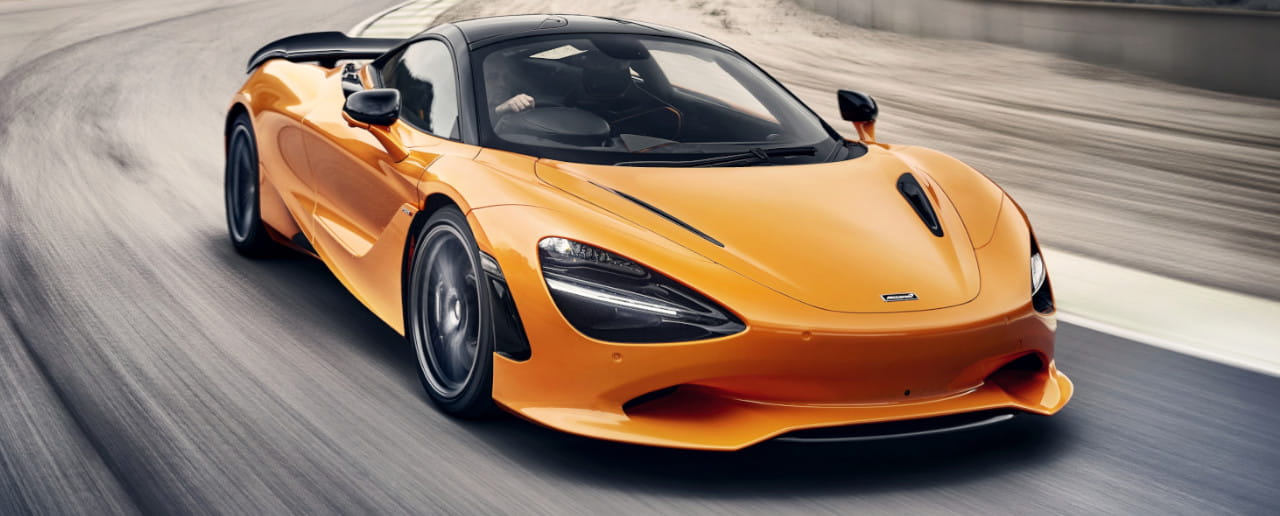
- Turbocharging and Hybrid Power: Some of the fastest sports cars, like the McLaren 720S or the Ferrari SF90 Stradale, employ turbocharging and hybrid technology to increase both efficiency and power output. A twin-turbocharged V8 or electric motors paired with traditional combustion engines allow these cars to accelerate from 0 to 60 mph in under 3 seconds, pushing the limits of what is possible in terms of acceleration.
- Lightweight Engineering: To maximize the effectiveness of these powerful engines, sports cars often use lightweight materials such as carbon fiber, titanium, and aluminum. This results in a power-to-weight ratio that allows for unparalleled acceleration, providing immediate thrust and minimizing inertia. Lightweight engineering ensures that the car can unleash all its power without being held back by excess weight.
2. Precision Handling and Agile Performance
Speed is one thing, but precision handling is what truly defines a world-class sports car. Sports cars must offer agile, responsive handling, allowing drivers to control the car with pinpoint accuracy, even at the limit of performance.
- Rear-Wheel Drive (RWD) and All-Wheel Drive (AWD): Most high-performance sports cars feature rear-wheel drive (RWD) for the ultimate in precision handling. This layout allows for better balance and control, especially when pushing the car to its limits in corners. On the other hand, all-wheel drive (AWD) systems, like those in the Porsche 911 Turbo and Lamborghini Huracán EVO, offer unmatched traction and stability, especially during aggressive acceleration or inclement weather, giving drivers greater confidence without sacrificing cornering ability.
- Active Suspension Systems: A sports car’s suspension system is key to maintaining precision in both straight-line stability and cornering performance. Systems like Magnetic Ride Control in the Chevrolet Corvette ZR1 or Porsche Active Suspension Management (PASM) allow the driver to adjust the firmness of the suspension. Whether you’re cruising along smooth highways or attacking sharp corners, these systems provide the right balance between comfort and performance. The ability to adjust suspension settings allows for adaptive precision depending on road conditions and driving style.
- Steering Feedback: Steering precision is one of the defining characteristics of a great sports car. Brands like Ferrari, McLaren, and Aston Martin employ highly responsive electric steering systems that offer perfect feedback, allowing the driver to feel the road and every subtle change in direction. The steering rack is often fine-tuned for both low-speed maneuverability and high-speed stability, giving the car a level of responsiveness that is crucial when pushing the limits on track days or mountain roads.
- Torque Vectoring and Differential Locking: Torque vectoring is an advanced technology that allows a sports car to send power to individual wheels, enhancing cornering capabilities and reducing understeer or oversteer. Cars like the McLaren 720S and Audi R8 use this system to enhance agility during turns, ensuring the car maintains perfect control and tracking when cornering at high speeds.
3. Aerodynamics and Downforce: A Perfect Dance with the Wind
Sports cars designed for speed and precision utilize sophisticated aerodynamic designs that help to maintain stability at high speeds, ensuring maximum traction and minimal drag. These features allow the car to stick to the road, even when reaching extreme velocities.
- Active Aero Systems: Many high-performance sports cars feature active aerodynamics, where parts like spoilers, flaps, and diffusers adjust dynamically to optimize the car’s performance based on speed and driving conditions. For example, the McLaren P1 and Ferrari 488 Pista both feature active rear spoilers that increase downforce at high speeds, helping to keep the car stable during aggressive cornering or braking.
- Underbody Aerodynamics: To maximize downforce and reduce drag, modern sports cars like the Lamborghini Aventador are designed with flat underbodies, which help to streamline airflow and reduce air resistance. Additionally, integrated diffusers direct airflow in a way that enhances the car’s grip and handling.
- Rear and Front Splitters: The front splitters on cars like the Chevrolet Corvette Z06 and Ford GT direct air under the car to reduce lift while also increasing front-end downforce. This allows the car to maintain perfect stability during high-speed driving, improving grip without sacrificing aerodynamics. The rear diffuser enhances airflow under the car, helping to maximize stability at high speeds by managing the air flowing beneath the car.
4. Braking Systems: Stopping Power That Matches the Speed
Speed without the ability to stop is a dangerous proposition. Therefore, sports cars designed for high performance must feature exceptional braking systems that allow for rapid deceleration without losing precision.
- Carbon-Ceramic Brakes: Most modern supercars and high-performance sports cars come equipped with carbon-ceramic brake rotors, like those found on the Ferrari 812 Superfast or the Porsche 911 GT2 RS. These brakes offer extreme stopping power and resist brake fade even after repeated high-speed runs, making them perfect for both track days and public road performance.
- Electronic Braking Systems: Sports cars also integrate electronic brake distribution systems to optimize braking force across all wheels, ensuring maximum braking efficiency and stability, even when the driver is hard on the pedal. These systems are essential for maintaining precision when braking late into a corner or performing high-speed emergency stops.
- Brake Cooling Systems: High-performance cars like the McLaren 600LT and Aston Martin Vantage incorporate brake cooling ducts that channel air to the brakes to keep them at optimal temperatures. This ensures that the brakes don’t overheat during aggressive driving, maintaining maximum performance under extreme conditions.
5. Weight Distribution: Perfect Balance for Precision Driving
A key factor that influences the precision of a sports car is its weight distribution. To optimize handling, sports cars often use a 50:50 weight distribution, which means the car’s weight is evenly balanced between the front and rear axles. This balance ensures optimal traction, better cornering performance, and predictable handling characteristics.
- Mid-Engine Layout: Sports cars like the Ferrari F8 Tributo and Porsche 718 Cayman feature a mid-engine layout, which places the engine closer to the center of the car, improving weight distribution. The result is better stability during high-speed cornering, as the car feels planted and responsive even when pushing through tight turns.
- Carbon Fiber Components: In addition to the mid-engine layout, many high-performance sports cars use carbon fiber for structural components such as the body panels, chassis, and interior. This significantly reduces the car’s overall weight, improving handling and acceleration while maintaining strength and rigidity.
6. Track-Ready Performance: The Ultimate Test
For true performance enthusiasts, a sports car that excels on the road but also delivers outstanding results on a racetrack is the holy grail. Many sports cars, like the Porsche 911 GT3 RS, McLaren 765LT, and Ferrari 488 Challenge Stradale, are purpose-built for track use, offering race-inspired suspension setups, ultra-responsive brakes, and a high level of driver feedback.
- Track-Focused Technologies: These cars feature track-specific technologies like race-grade tires, adjustable suspension settings, and multi-stage traction control systems that can be fine-tuned to suit any driver’s preferences or track conditions.
- Lightweight Race Interiors: The interior of track-ready sports cars often features bucket seats, minimalist designs, and a focus on reducing weight. These cars have stripped-down interiors to enhance performance, with carbon fiber racing seats and reduced soundproofing for a more raw, connected driving experience.
Conclusion
A sports car designed to fulfill the ultimate pursuit of speed and precision is one that combines raw power with meticulously engineered handling, braking, and aerodynamics. The key is to find a car that
doesn’t just excel in one area, but blends all the essential elements of performance into a perfect driving experience. Cars like the McLaren 765LT, Porsche 911 GT3 RS, Ferrari F8 Tributo, and Aston Martin Vantage represent the pinnacle of performance, delivering a driving experience that is as precise as it is thrilling. These cars are more than just fast—they are a manifestation of the pursuit of excellence in engineering, offering the ultimate thrill ride for any enthusiast chasing the dream of speed and precision.