
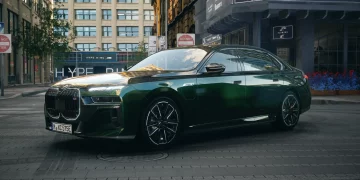

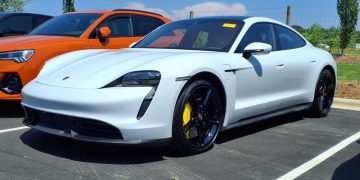
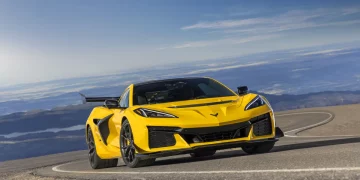










Supercars are the embodiment of automotive excellence. When it comes to raw performance, one of the most exhilarating aspects of these high-end machines is their acceleration. In just a few heart-pounding seconds, a supercar can catapult from 0 to 60 mph, creating an experience that feels almost like flying. But what is it about their acceleration that is so intense? Why does it feel like you’re defying gravity, with your body pressed into the seat as the car surges forward with relentless power? The answer lies in a combination of engineering, power-to-weight ratio, aerodynamics, and advanced technologies, all working together to deliver an acceleration experience unlike anything else on the road.
Let’s dive deep into the science and craftsmanship behind the acceleration of supercars, and explore why this unique feature makes drivers feel as though they are soaring through the air.
1. The Power-to-Weight Ratio: Unleashing Raw Power
The power-to-weight ratio is one of the most crucial factors in the acceleration of a supercar. Essentially, it refers to the amount of power a car has in relation to its weight. The less weight a car carries, the quicker it can accelerate, especially when that weight is paired with an extremely powerful engine.
- Lightweight Construction: Supercars are engineered with lightweight materials like carbon fiber, titanium, and aluminum to reduce their overall weight. For example, the McLaren P1 and Ferrari 488 GTB use carbon fiber extensively in their construction, allowing these cars to maintain a low weight while still being incredibly strong and rigid. A lighter car requires less effort to accelerate, meaning that when the engine delivers power, it translates into more rapid speed gains.
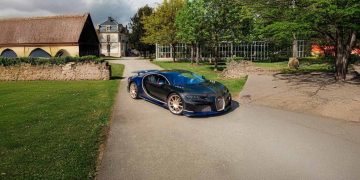
- High Horsepower and Torque: Supercars are equipped with engines that produce incredible horsepower and torque. Take the Bugatti Chiron, which boasts over 1,500 horsepower, or the Tesla Roadster, with its electric motors generating torque instantly. The combination of immense power and a lightweight frame means that when you press the accelerator, the car responds immediately, delivering an acceleration that feels explosive.
- Power Delivery: Supercars are designed to provide instantaneous power delivery. Unlike regular cars, where acceleration can be slow and gradual, supercars respond with near-instant throttle response. The McLaren 720S is a perfect example, where the moment you press the gas pedal, the car responds so quickly that it feels like you’ve been shot from a cannon. This aggressive, almost shocking power delivery creates an immediate sensation of being pushed back into the seat, making you feel as if you’re being thrust forward by some external force.
2. Torque Vectoring and All-Wheel Drive: Maximizing Traction and Stability
Supercar manufacturers have developed advanced systems to ensure that the immense power of these engines can be transferred to the road without losing traction. This is where torque vectoring and all-wheel drive (AWD) systems come into play, providing stability and control during extreme acceleration.
- Torque Vectoring: In supercars like the McLaren 720S and Ferrari 488 Pista, torque vectoring helps distribute power between the wheels more effectively, allowing for better grip on the road, especially when accelerating through corners. This ensures that all available power is being efficiently utilized without causing the tires to lose grip, creating a more stable and controlled acceleration.
- All-Wheel Drive (AWD): Cars like the Audi R8 V10 Plus and Porsche 911 Turbo S feature AWD systems that send power to all four wheels, giving them exceptional grip during hard acceleration. The AWD system ensures that no matter how much power is being sent to the wheels, the car’s grip on the road is maximized. This traction is essential for accelerating as quickly as possible, as it prevents wheel spin and ensures that all the power is translated into forward motion.
- Electronic Stability Control (ESC): Supercars also integrate advanced electronic stability control systems that help manage power delivery, ensuring that the car remains composed during acceleration. These systems help maintain stability in slippery or challenging road conditions, ensuring that the car’s speed is both thrilling and safe.
3. Hybrid and Electric Powertrains: Instant Torque and Seamless Power
In recent years, the rise of hybrid and electric powertrains has revolutionized the world of supercar acceleration. These cars utilize electric motors in addition to their internal combustion engines, providing almost instantaneous power delivery and creating a new level of acceleration that traditional engines simply can’t match.
- Electric Motors Deliver Instant Torque: One of the key advantages of electric powertrains, as seen in the Tesla Roadster and Porsche 918 Spyder, is that electric motors deliver torque instantly, even at low speeds. Unlike gas engines, which require revving to build power, electric motors can deliver maximum torque as soon as the accelerator is pressed. This results in an immediate and violent burst of acceleration that makes the car feel as if it’s being propelled forward with the force of a jet engine.
- Seamless Power Transitions: In hybrid supercars like the Ferrari SF90 Stradale, the electric motors complement the gas engine, providing seamless power transitions. The combined power from the electric motors and the internal combustion engine ensures that acceleration remains smooth and relentless, without any lag. This results in a more connected and fluid driving experience, where power is delivered effortlessly, without interruption.
- Record-Breaking Times: Electric-powered supercars like the Rimac Nevera have achieved mind-blowing acceleration times. The Nevera, for example, can go from 0 to 60 mph in 1.85 seconds, a feat that was unthinkable just a few years ago. The combination of electric motors’ instant torque and the supercar’s lightweight construction allows for an acceleration experience that feels like you’ve been launched into another dimension.
4. Aerodynamics and Downforce: Staying Grounded While Soaring
Supercars don’t just excel in terms of power and acceleration; they are also designed to manage the forces of aerodynamics, ensuring that while the car is accelerating at mind-bending speeds, it stays planted to the road.
- Active Aerodynamics: Many supercars, such as the McLaren P1 and Aston Martin Vulcan, feature active aerodynamics. This system allows the car’s body to adjust dynamically to the speed and conditions, providing increased downforce when necessary and reducing drag for maximum acceleration. When the car reaches higher speeds, the rear spoilers, front flaps, and side skirts deploy automatically to keep the car stable, ensuring that all the energy produced by the engine goes into forward motion without lifting the car off the ground.
- Downforce: Supercars like the Lamborghini Huracán Performante rely on meticulously designed diffusers, splitters, and rear wings to generate downforce, a force that pushes the car down onto the road, increasing tire grip. The more downforce a supercar generates, the more securely it remains on the road during high-speed acceleration. Without this, a car would begin to lose traction at higher speeds, but with the proper aerodynamics, the car feels firmly grounded, allowing for greater control during acceleration.
5. The Thrill of Acceleration: It’s Not Just Speed, It’s the Sensation
While the numbers behind supercar acceleration—like 0-60 mph times—are often jaw-dropping, it’s the sensory experience of acceleration that truly makes the driver feel as though they are flying. The feeling of being pushed into the seat, the roar of the engine or the whine of the electric motors, and the violent rush of speed combine to create an experience unlike any other.
- G-Forces: When you push the pedal to the metal in a supercar, your body experiences intense g-forces, which create the feeling of being pressed into the seat. These forces, especially during rapid acceleration, simulate the sensation of flight—your body is thrust backward with so much force that it feels as though gravity is being temporarily suspended.
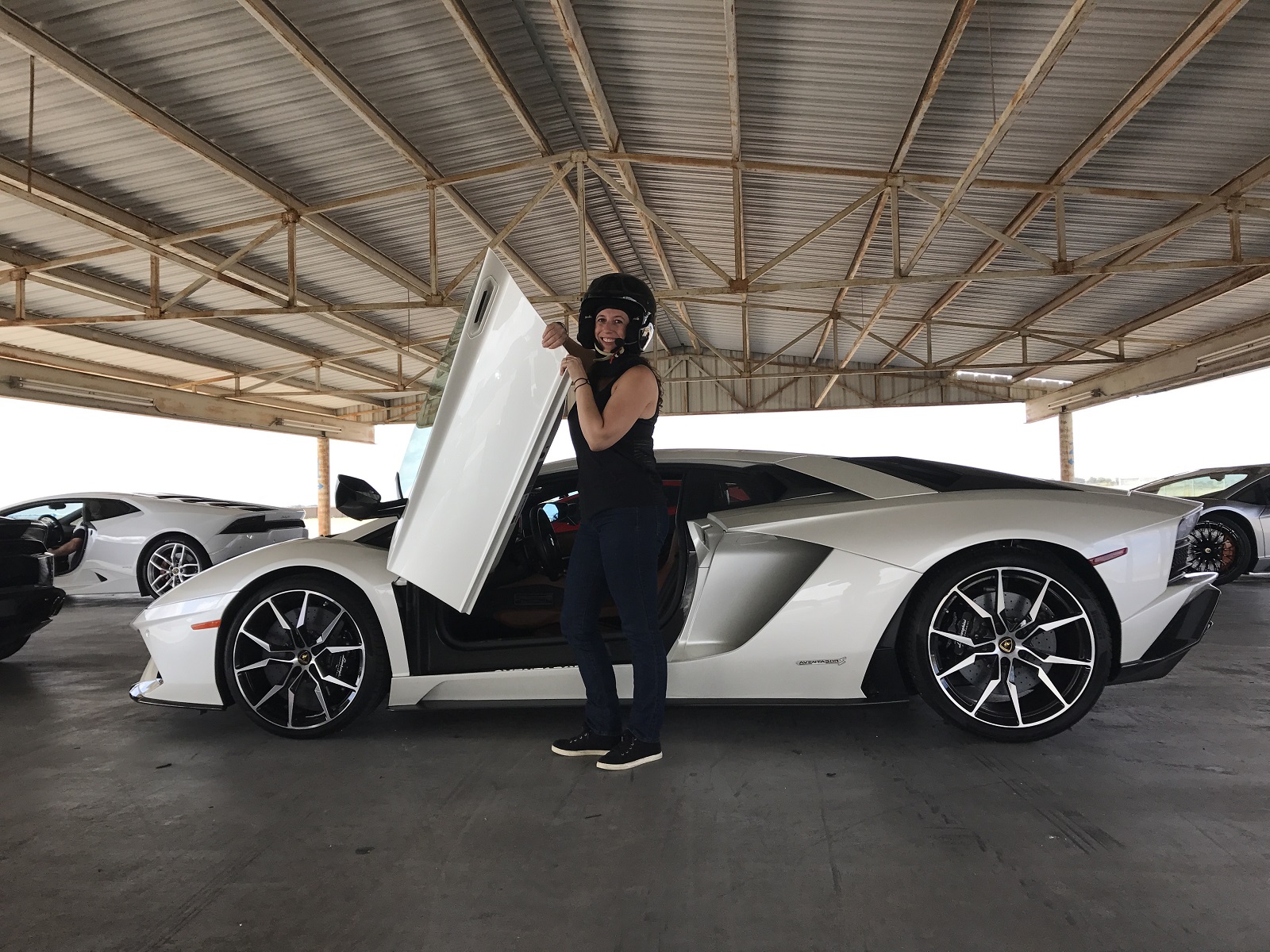
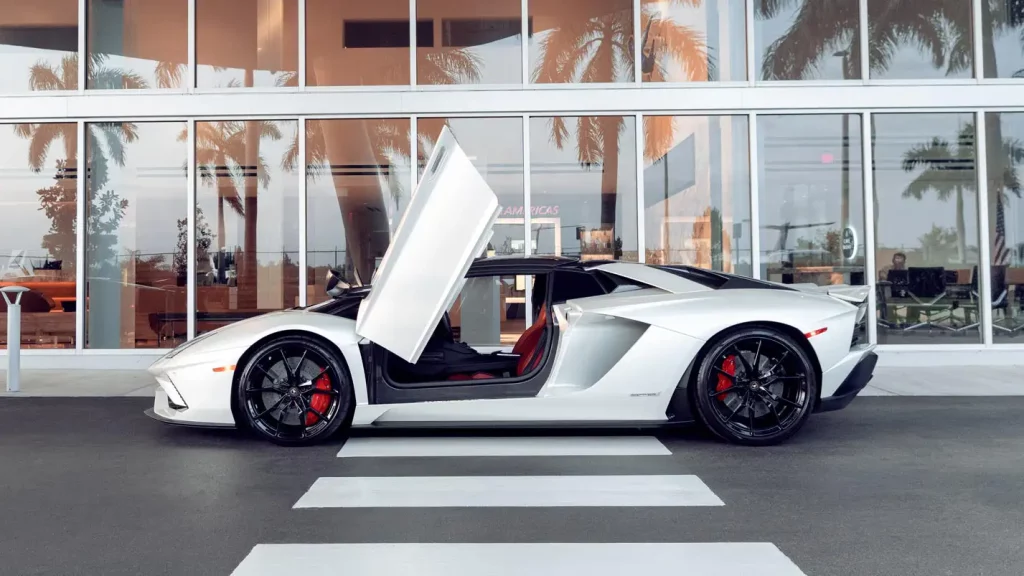
- Exhilarating Sound: The sound of the engine during acceleration adds another layer of excitement. Whether it’s the high-pitched shriek of a Ferrari 488 GTB’s twin-turbo V8, the thunderous roar of a Lamborghini Aventador’s V12, or the electric hum of a Tesla Roadster, these sounds are an intrinsic part of the acceleration experience. The loud, aggressive engine noise blends with the rush of air and the feeling of acceleration to create a sensory overload that makes every moment feel like an adventure.
- Physical Sensations: As the car accelerates, the steering wheel vibrates slightly, and the car’s suspension system firms up to maintain balance and composure. These physical sensations, combined with the rapid change in speed and the force pressing you back into the seat, heighten the feeling that you are defying the laws of physics and flying along the road.
Conclusion
The acceleration performance of supercars isn’t just about how quickly they can go from point A to point B—it’s about how the experience makes you feel. With their astonishing power-to-weight ratios, instant torque delivery, cutting-edge hybrid technologies, and aerodynamic designs, these machines don’t just offer rapid speed; they create a visceral, emotional experience that feels like flying. The G-forces, the sounds, and the pure thrill of blasting down the road at unimaginable speeds combine to create a driving sensation that is unparalleled. For the driver, every second behind the wheel of a supercar is a reminder that these cars are not just about numbers—they are about pure, unadulterated thrill.