
















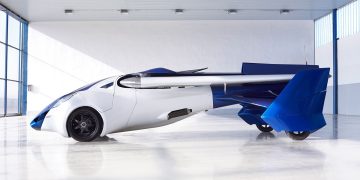
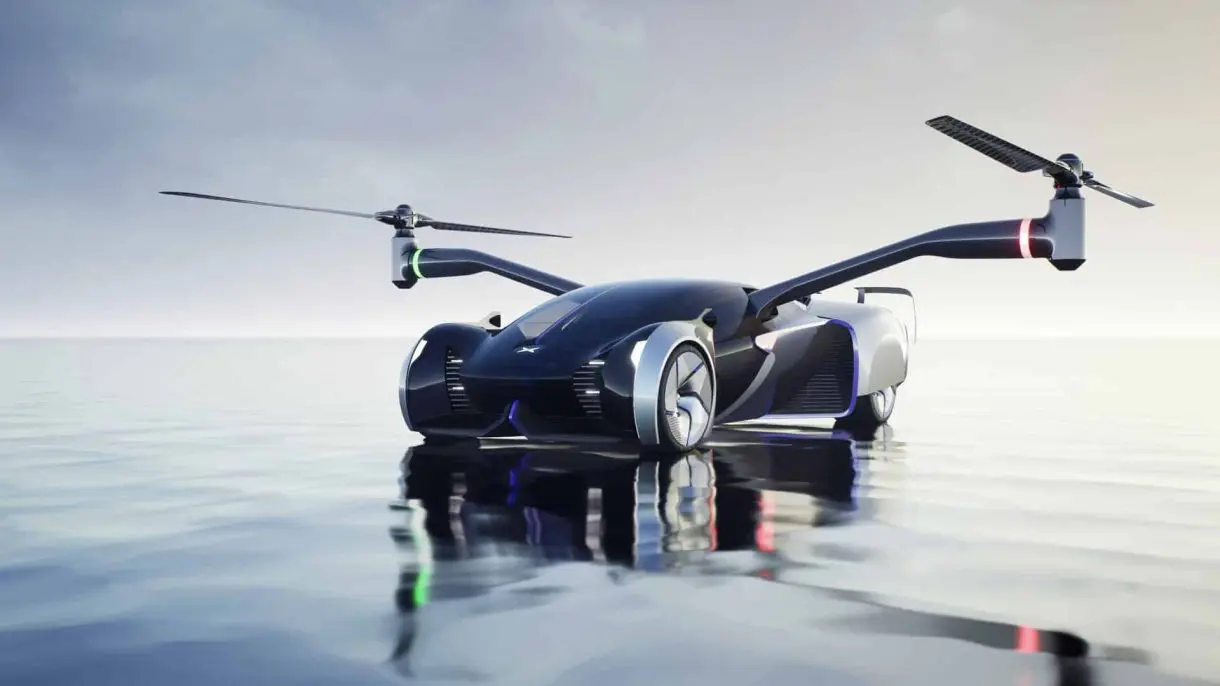
Flying cars, long a staple of science fiction, are slowly but surely transitioning from the realm of imagination to reality. As we enter a new era of technological innovation, the concept of flying cars is increasingly becoming a potential solution for the growing transportation challenges in modern cities. Urban congestion, limited road infrastructure, and environmental concerns are just a few of the issues that have prompted companies, governments, and researchers to turn to flying cars as a possible breakthrough in future urban transportation.
But can these futuristic vehicles truly revolutionize how we move around our cities, or is the dream of airborne travel just another passing trend? In this article, we will explore the rise of flying cars, the technology behind them, the challenges they face, and how they could reshape our transportation systems.
1. What Are Flying Cars?
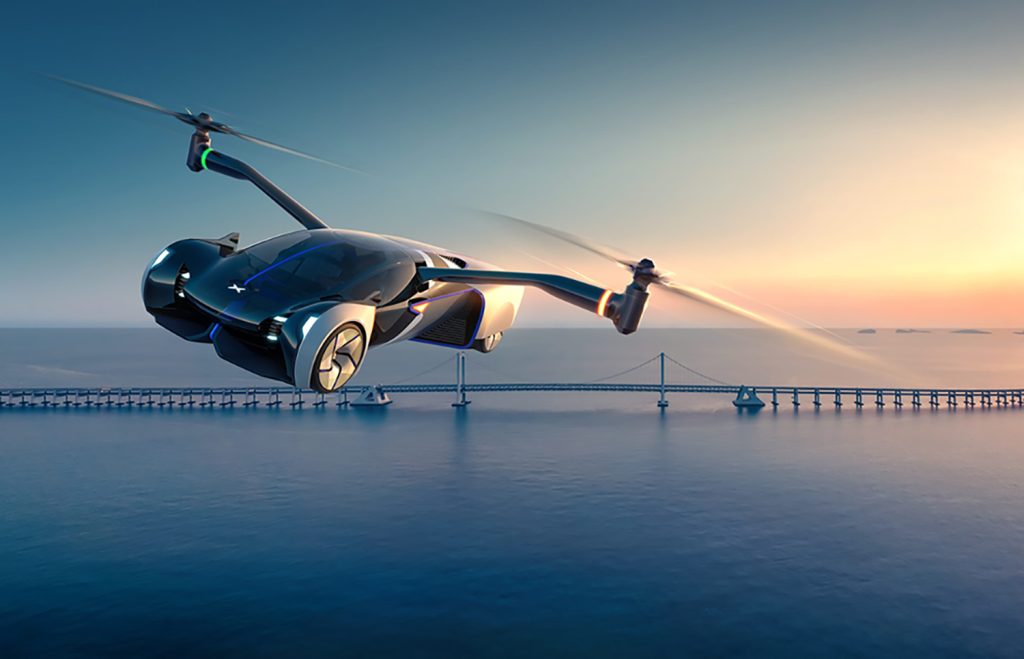
Flying cars, also known as urban air mobility (UAM) vehicles, are vehicles designed to operate both on the ground and in the air. Unlike traditional airplanes or helicopters, they are often compact, vertical takeoff and landing (VTOL) vehicles that can hover and fly short distances, while also driving on conventional roads.
While the definition of “flying cars” may vary depending on the model, the key characteristics that distinguish them are:
- Vertical takeoff and landing (VTOL) capabilities: This allows them to take off and land without the need for long runways, making them ideal for urban environments.
- Electric propulsion: Many flying cars are designed to be electric or hybrid-electric, allowing for quieter and more environmentally friendly operations compared to traditional aircraft.
- Autonomous or semi-autonomous flight systems: Some flying cars will incorporate autonomous driving and flying systems, reducing the need for a human pilot and improving safety.
2. Why Are Flying Cars Gaining Popularity?
Several factors have contributed to the increasing interest in flying cars as a solution for urban transportation:
a) Traffic Congestion in Cities
Modern cities are facing severe traffic congestion that wastes time, increases pollution, and decreases the overall quality of life. With an ever-growing urban population, traditional ground-based transportation infrastructure—roads, highways, and tunnels—simply can’t keep up. Flying cars offer an innovative alternative by utilizing aerial space to bypass traffic jams, reduce travel times, and enable faster commutes.
b) Limited Land Space
Urban areas are becoming more crowded, and there is less available space to build roads or expand existing transportation networks. Flying cars provide an opportunity to utilize the third dimension—the sky. With vertiports (small, dedicated landing pads) located on rooftops or in open spaces, flying cars could become a practical way to use the space above our cities.
c) Environmental Impact
Flying cars are expected to be electric-powered or hybrid-electric, which would reduce emissions compared to traditional combustion engine vehicles. As cities become more focused on reducing carbon footprints and transitioning to sustainable transportation solutions, flying cars offer a cleaner alternative that could help cities meet their climate goals.
d) Advancements in Technology
The rapid progress in electric propulsion, autonomous flight systems, and battery technology has made flying cars more feasible than ever before. Better batteries, lightweight materials, and improved aerodynamics have made these vehicles safer, more efficient, and more cost-effective.
3. How Can Flying Cars Revolutionize Urban Transportation?
The potential benefits of flying cars extend beyond just faster commutes and environmentally-friendly travel. Here are some of the key ways in which flying cars could transform urban transportation:
a) Reducing Traffic Congestion
Flying cars could significantly alleviate traffic congestion in crowded urban centers. By creating a multi-layered transportation network that utilizes both ground and aerial routes, flying cars could help ease the pressure on roads. With multiple flying vehicles in the air, passengers could bypass ground-level traffic, reducing overall commute times.
b) Faster, More Efficient Commuting
The ability to avoid traffic and travel directly to a destination via aerial routes would drastically cut down on commute times. Imagine being able to travel from one side of the city to the other in a matter of minutes, bypassing gridlock and the need for long detours. In dense cities, this could lead to more efficient use of time, allowing individuals to focus on work, leisure, or family.
c) On-Demand, Urban Air Mobility
Flying cars could offer a level of flexibility and convenience that current modes of transportation cannot match. Just as we can hail a ride via apps like Uber or Lyft, we could soon summon a flying car to pick us up and take us to our desired location—on-demand, point-to-point transportation.
This on-demand model would make flying cars ideal for short urban trips, such as commuting to work, traveling to meetings, or getting to the airport quickly. The autonomous nature of many flying cars also means that they could be shared or rented, allowing multiple passengers to use the same vehicle throughout the day.
d) Expanding Access to Remote Areas
Flying cars could make it easier to connect remote or underserved regions to urban centers, especially in areas where traditional infrastructure is lacking. For example, regions with difficult terrain, islands, or areas with little access to reliable roads could benefit from flying cars, enabling faster and more accessible travel.
e) Reducing Environmental Impact
Flying cars’ electric propulsion systems could provide an environmentally cleaner alternative to traditional vehicles. With reduced emissions and lower dependence on fossil fuels, flying cars could contribute to reducing the carbon footprint of urban transportation. This would be a significant step toward achieving sustainable urban mobility and reducing air pollution in cities.
4. Challenges to the Widespread Adoption of Flying Cars
While flying cars offer significant potential, there are numerous challenges that need to be addressed before they can become a mainstream mode of transportation. These challenges include:
a) Safety Concerns
One of the most important considerations for flying cars is safety. Like any form of aviation, flying cars must adhere to stringent safety standards to ensure the protection of passengers, pedestrians, and other vehicles. Autonomous flight systems, air traffic control, and emergency procedures will need to be carefully developed and tested to minimize risks.
b) Regulatory Hurdles
The regulatory landscape for flying cars is still in its infancy. Governments and aviation authorities need to develop new regulations for airspace management, vehicle certification, and infrastructure development. Countries and cities will need to determine how to integrate flying cars into existing transportation systems, including where vertiports (landing areas) will be located and how air traffic will be monitored.
c) Infrastructure Development
Flying cars will require new infrastructure, such as vertiports, charging stations, and air traffic management systems. Cities will need to invest in building these facilities, which could be costly and time-consuming. Additionally, there will be the challenge of designing safe and efficient flight routes to prevent congestion in the sky.
d) Public Acceptance
For flying cars to be widely adopted, the public will need to feel confident in their safety and practicality. While flying cars might sound appealing, some people may be hesitant to adopt this new mode of transportation due to concerns over safety, reliability, and noise pollution.
e) Cost and Accessibility
Flying cars are likely to be expensive, at least initially. The high cost of developing, manufacturing, and maintaining these vehicles could make them out of reach for the average consumer. However, as technology advances and economies of scale come into play, prices could eventually come down, making flying cars more accessible.
5. The Future of Flying Cars
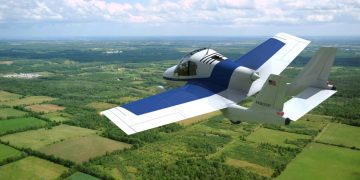
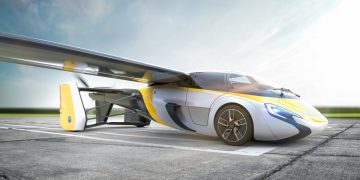
Despite the challenges, flying cars are no longer a pipe dream. Companies like Terrafugia, AeroMobil, and Joby Aviation are already making significant progress in developing prototypes and securing funding. Major aviation companies, such as Airbus and Volocopter, are also investing heavily in urban air mobility technologies.
As battery technology improves, autonomous systems become more reliable, and regulations evolve, flying cars could gradually become a regular part of urban transportation networks. In the near future, we might see small-scale flying car services in select cities or on-demand air taxis operating in heavily congested urban centers.
Conclusion: A New Era of Transportation?
Flying cars have the potential to revolutionize urban transportation by reducing congestion, improving commuting times, and offering a more sustainable and flexible mode of travel. However, the technology still faces numerous challenges, including safety concerns, regulatory hurdles, infrastructure development, and public acceptance.
While we may not see widespread adoption of flying cars in the immediate future, their rise marks a significant step toward transforming urban mobility. As technology continues to advance and regulatory frameworks are put into place, flying cars could become a common sight in the skies, offering a new way of moving within our cities and reshaping how we think about transportation.