

In an era dominated by dual-clutch transmissions and lightning-fast gear changes that blur the line between man and machine, one might assume the manual gearbox is a museum piece—a romantic relic from a slower, less efficient age. Yet something remarkable is happening in 2025: some of the world’s most elite and technologically advanced supercar brands are putting their faith back in the humble stick shift. The question is, why?
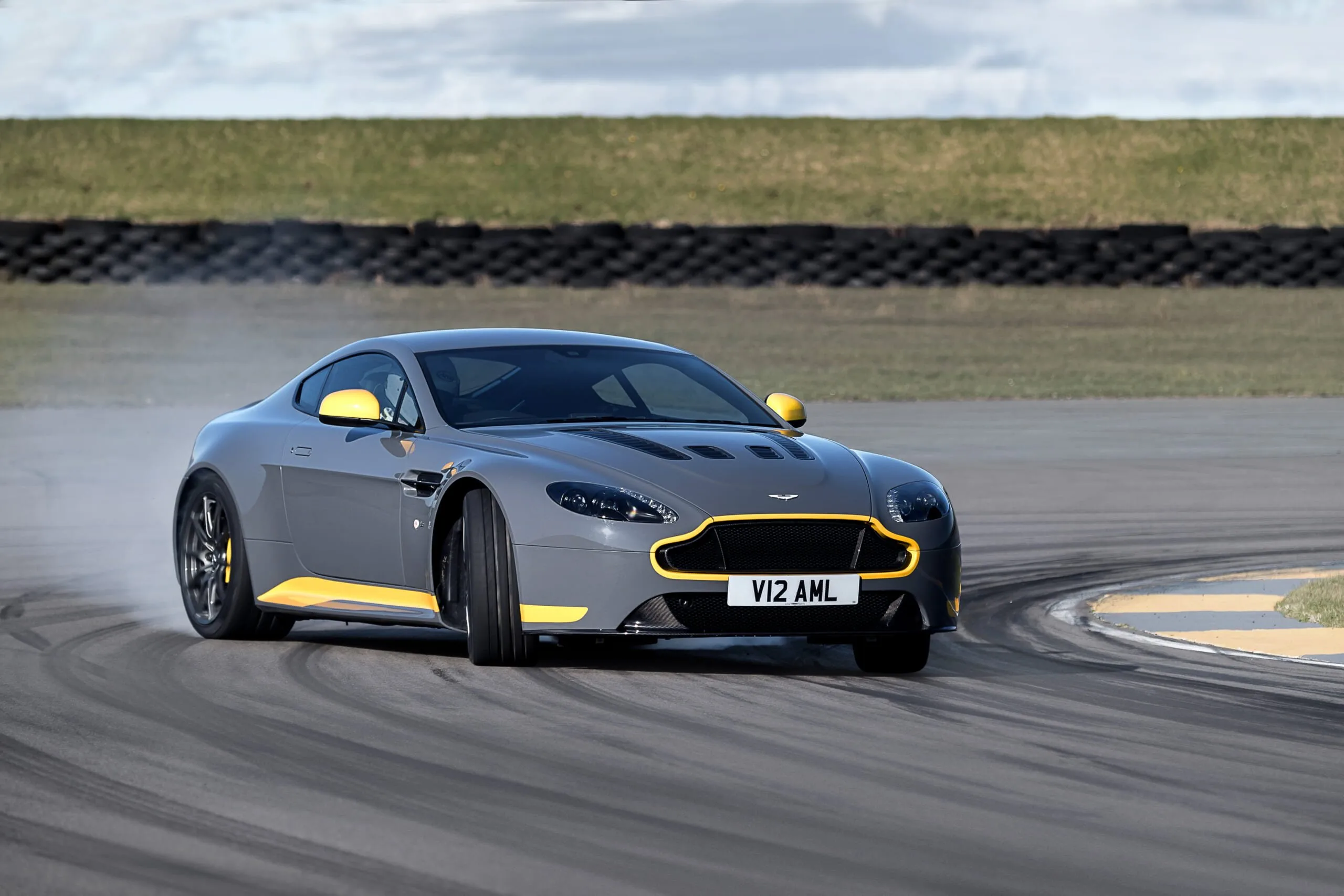
Porsche’s new 911 S/T, with its six-speed manual, has become one of the brand’s most hyped limited-run models, celebrated not for its top speed or Nürburgring lap time but for its purity of drive. Aston Martin, too, has brought back a manual gearbox in the V12 Vantage, a move that seems almost rebellious in an industry where lap time and carbon output dominate the boardroom.
It turns out that the manual transmission—long thought dead—is being revived, not because it’s faster or greener, but because it speaks to the soul of a very specific type of enthusiast. The comeback of the manual gearbox is not just mechanical. It’s emotional, generational, and surprisingly strategic.
Porsche and Aston Martin Lead the Manual Revival
Porsche, a brand that has always walked a tightrope between innovation and tradition, reignited the manual passion with its 911 R in 2016 and 911 GT3 Touring thereafter. But the 2023–2025 release of the 911 S/T brought things to another level. It’s not just a manual version of a fast car—it’s a love letter to tactile driving. Featuring the 4.0-liter naturally aspirated flat-six engine from the GT3 RS and paired exclusively with a six-speed manual, the S/T prioritizes driver engagement over numerical supremacy.
The S/T strips away much of the technology that has made the modern 911 a clinical performer. There’s less insulation. The flywheel is lighter. The shifts are short, mechanical, and demand precision. Porsche didn’t just reintroduce a manual for tradition’s sake—they reengineered the driving experience to celebrate it.
Aston Martin’s approach is more visceral. The V12 Vantage is a raw, thunderous machine, and while its competitors embrace hybrid tech and intelligent gearboxes, Aston threw caution (and efficiency) to the wind by offering a seven-speed manual with a 690-horsepower V12. The driving experience is not for the faint of heart. The clutch is heavy. The gearbox demands skill. And yet, for many, that’s the appeal.
These cars aren’t meant for track domination or emissions awards. They’re designed for connection—the kind you can only get by rowing your own gears, feeling the resistance of the lever, hearing the engine respond in direct proportion to your mechanical input. In short, they are machines for drivers, not algorithms.
Why Driving Engagement Now Matters More Than Performance Stats
Modern supercars have reached a point of diminishing returns. A car that does 0–60 mph in 2.5 seconds is thrilling. A car that does it in 1.9 seconds is terrifying—but not necessarily more fun. The endless chase for tenths of a second has, for many enthusiasts, created a disconnect. You no longer control the car; you manage it.
In this context, the manual gearbox becomes more than a novelty—it becomes a rebellion. It’s a rejection of driving as data and a return to driving as art. Manual gearboxes introduce imperfections. They demand focus, timing, muscle memory. You can miss a gear. You can stall. You can feel like you earned that perfect downshift. There’s pride in that.
Car manufacturers are increasingly aware of this emotional undercurrent. Surveys among Porsche and Aston Martin customers reveal a deep desire for “connection to the machine.” These aren’t novice drivers. These are collectors, connoisseurs, and weekend drivers who want their supercar to be an experience, not just an instrument of speed.
Moreover, the resurgence of analog driving coincides with a broader cultural fatigue around digital overload. Just as luxury watch buyers are fleeing to hand-wound mechanical timepieces, and audiophiles rediscover vinyl, so too are drivers yearning for something analog, mechanical, and real. The manual gearbox sits squarely in this new wave of neo-traditionalism.
Performance vs. Emotion: The Culture War Under the Hood
Make no mistake—manuals are slower. Dual-clutch transmissions are objectively superior in terms of acceleration, lap time, and efficiency. They don’t miss shifts. They adapt to your driving. They make the average driver perform like a pro.
But that’s precisely the problem for many purists. These transmissions eliminate the challenge, and with it, the thrill of mastery.
Supercar ownership has become a symbol of personal style and identity as much as performance. When every car at the valet is a 700-horsepower computer, the real flex isn’t the quarter-mile time—it’s the ability to heel-and-toe downshift into a corner without digital aid. That’s why Porsche’s manual cars routinely sell out, why Aston Martin’s stick-shift V12s command a premium, and why brands like Lamborghini and Ferrari are quietly exploring limited-run analog models.
The rise of track-capable hyper-EVs has paradoxically helped the manual movement. With Rimac and Tesla chasing zero-lag perfection, the rest of the industry sees an opening to embrace driving imperfection as a selling point.
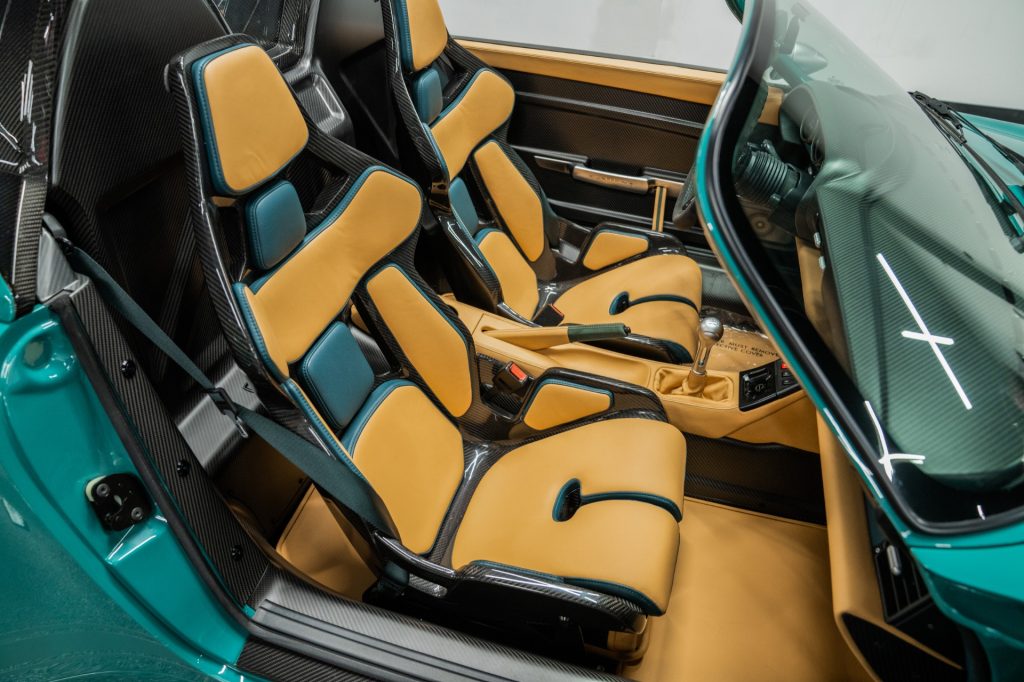
How Emotion-Driven Branding is Winning Over Purists
Car brands aren’t stupid. They know the market for manual supercars is niche—but it’s also loyal, vocal, and high-margin. By offering manual options in flagship models, brands tap into heritage without abandoning innovation.
Porsche is a master of this emotional calculus. By invoking its 911 lineage and offering only 1,963 examples of the S/T (a nod to the original 911’s debut year), it created instant scarcity and cultural relevance. The message? “This car isn’t for everyone—it’s for you, the driver who remembers what it means to be one with the machine.”
Aston Martin plays the drama card, invoking its James Bond mystique and romanticizing the “man and machine” narrative. Even Koenigsegg, known for sci-fi level hypercars, introduced a “Light Speed Transmission” that simulates the feel of a manual while maintaining the advantages of a modern gearbox.
Emotion now drives desirability. Performance has become predictable. But nostalgia? Emotion? Tactile delight? That’s a value proposition no algorithm can simulate.
Will the Manual Renaissance Last?
The return of the manual gearbox in elite performance cars isn’t a full-fledged revolution—but it is a meaningful resistance movement. It’s a conversation between old souls and modern machines. And it’s being fueled by three converging forces: emotional branding, driving fatigue with automation, and the cultural value of analog control.
Regulatory challenges will continue. Many regions are tightening emissions laws and requiring standardized tech integrations that favor automated gearboxes. And yet, for limited production models and collector-focused supercars, there’s room for analog.
More importantly, the manual gearbox now serves a symbolic purpose. It tells the world that your car is not just transportation. It is a relationship—one that requires effort, skill, and love.
Expect to see more halo models, one-offs, and tributes to the golden age of shifting. Ferrari may not offer a stick shift today, but its custom division is taking notes. Lamborghini has hinted at reinterpreting its 90s manuals. Even Mazda’s rotary revival talks include manual options—because passion sells, and nostalgia never dies.
Conclusion: The Future of Analog Belongs to the Bold
Manual gearboxes are not coming back in mass-market cars. They won’t return to commuter sedans or hybrid crossovers. But in the rarefied world of supercars, where emotion matters as much as efficiency, the stick shift has found new life as a totem of authenticity.
If you see someone driving a manual Porsche 911 S/T or an Aston Martin V12 Vantage, you’re not just looking at a driver. You’re looking at a believer—someone who chose to make their driving harder, slower, and less convenient, all for the sake of joy.
And in a world where algorithms drive taxis and AI powers navigation, that choice is not backward. It’s radical.