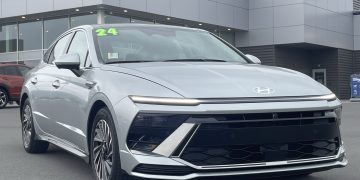
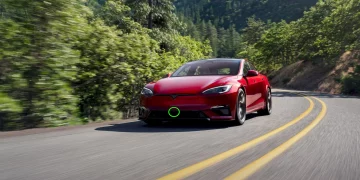

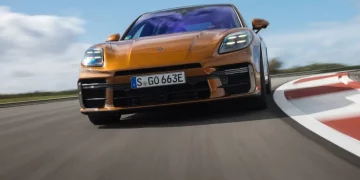
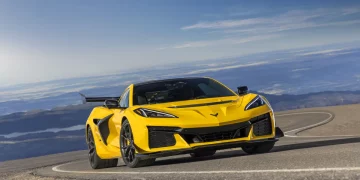







The roar of a V12 engine tearing through a tunnel. The bark of a turbocharged V8 echoing off canyon walls. For over a century, the sound of speed has been a visceral, mechanical language—an audible symbol of power, danger, and emotion. But the arrival of electric supercars is rewriting this legacy. The silence that once symbolized luxury in an EV is now a source of identity crisis for the high-performance elite. Today, marques like Rimac, Lotus, and Porsche are not just engineering zero-emission beasts—they’re redefining what speed sounds like.
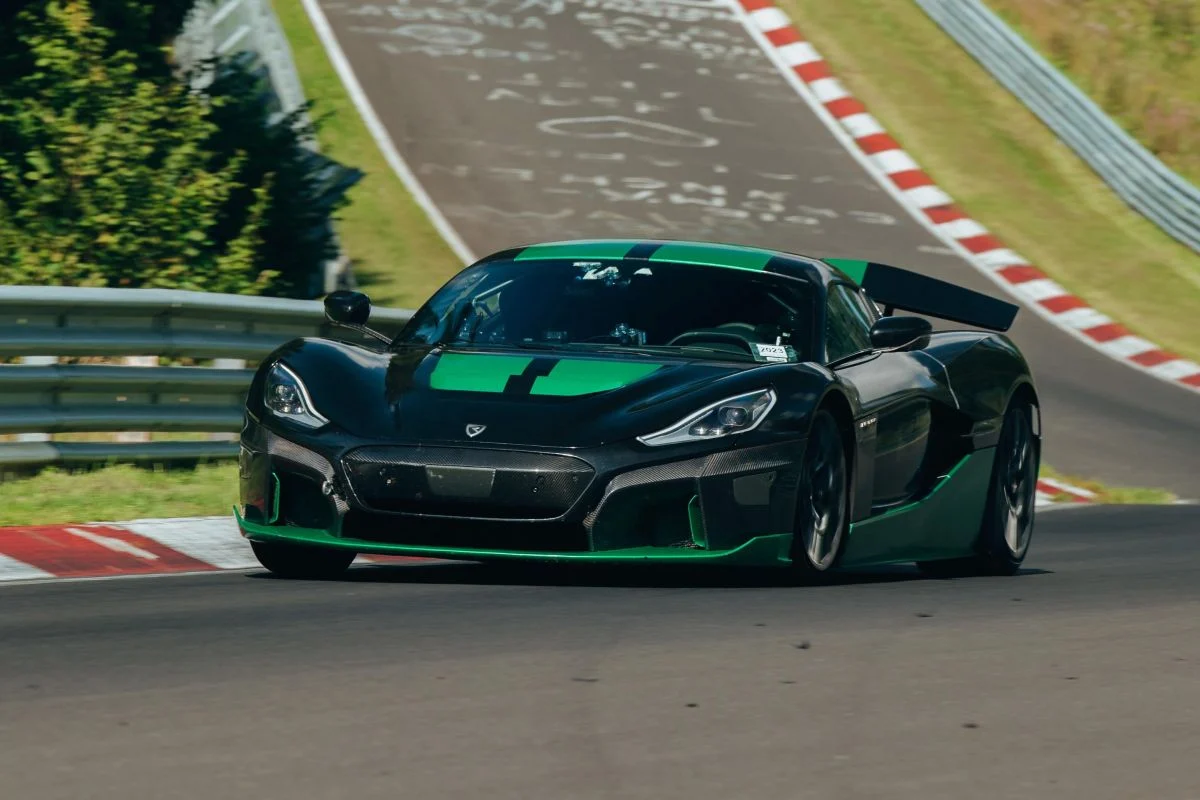
In 2025, the soundscape of performance driving is undergoing its most radical shift since the invention of the internal combustion engine. The Rimac Nevera, with its staggering 1,914 horsepower, can out-accelerate nearly anything on the planet. But when it launches from a standstill to 60 mph in under two seconds, the experience is shockingly quiet. For many enthusiasts, that lack of sound is disorienting, even anticlimactic. Without the crescendo of revs and the mechanical clatter of combustion, the sensory thrill of acceleration feels incomplete. The electric supercar doesn’t growl—it whispers, even as it warps time.
Rimac Nevera and the Sonic Void
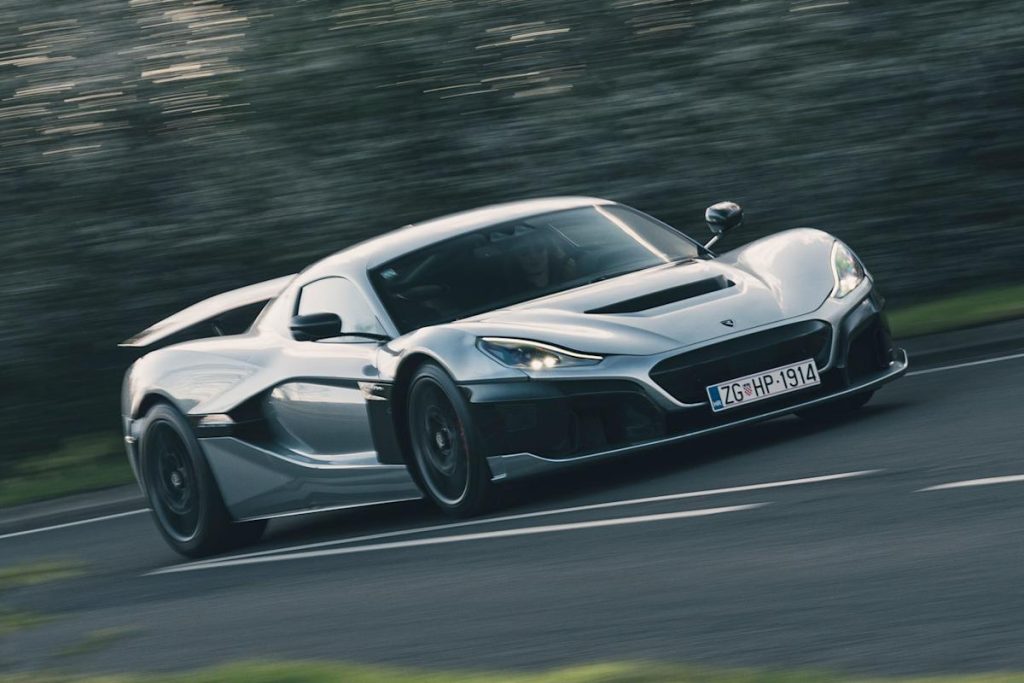
The Rimac Nevera is arguably the most advanced electric supercar in the world. With individual motors for each wheel, instant torque delivery, and torque vectoring that borders on telepathic, it embodies everything the future of speed promises. But when journalists first experienced the Nevera in early 2024, many noted the same paradox: mind-blowing performance without the drama of sound.
It’s not just a question of volume—it’s about narrative. Traditional engines build tension. RPMs rise. Exhaust notes change pitch, becoming aggressive and emotional. Downshifts pop and crackle, warning both driver and spectator of imminent action. The Nevera, in contrast, produces a low electric whine, accompanied by tire noise and wind. The physical sensation is undeniable—but the auditory one feels strangely disconnected.
For Mate Rimac, the brand’s visionary founder, this isn’t a flaw—it’s an opportunity. The Nevera is purposefully quiet because it represents a break from the past. It is the future. But even he acknowledges that drivers crave more than numbers; they crave presence. That’s why Rimac has begun working on adaptive sound design—not to mimic combustion, but to create something new.
When Push Comes to Shove: The Sensory Disconnect of Instant Torque
Electric propulsion delivers performance with surgical precision. There’s no throttle delay, no lag, no clutch or gears to modulate the experience. You push, it goes. And yet, for many drivers accustomed to the auditory feedback loop of gasoline engines, this immediacy feels… sterile.
This is where the idea of “sensory mismatch” arises. You experience extreme G-forces as the car rockets forward, but your ears hear little more than a faint synthetic hum. The physical cues say roller coaster, but the sound says escalator. For some, that’s exhilarating. For others, it’s like eating a gourmet meal with your nose plugged—technically impressive, but emotionally flat.
Manufacturers are now aware that they must bridge this gap—not by pretending to be something they’re not, but by giving the electric car its own sonic signature. Because in supercar culture, sound is not just output—it’s identity.
Simulated Soundscapes: Can Artificial Roars Replace the Real Thing?
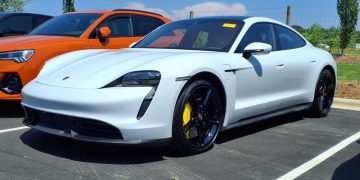
Enter the age of engineered sound. Porsche’s Mission R and Taycan Turbo S already feature electronically generated acoustic signatures inside the cabin. The idea is not to recreate the sound of combustion, but to build a new sound language for speed—one that enhances emotion without deception.
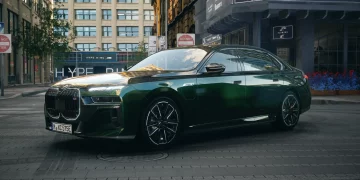
BMW has taken this even further with the i4 M50, enlisting none other than composer Hans Zimmer to craft a futuristic acceleration sound. The results are cinematic, pulsing, and layered—far from a classic engine note, but undeniably engaging. The goal isn’t to trick drivers into thinking they’re hearing pistons and exhaust valves. It’s to remind them they’re moving fast. Very fast.
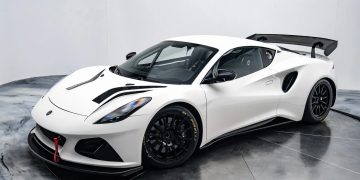
This trend is now permeating the hypercar world. Lotus, with its all-electric Evija, has developed a sound profile inspired by the brand’s V8 Formula 1 heritage, but filtered through a digital aesthetic. Lucid Motors has created an almost space-age thrum for the Air Sapphire. Even Tesla’s upcoming Roadster is rumored to feature adjustable sound modes—from spaceship-like warbles to old-school V8 growls, depending on the driver’s mood.
Still, purists remain skeptical. Artificial sound, they argue, can never match the chaotic, unrepeatable music of combustion. But the next generation of drivers—those raised on gaming, VR, and digital experiences—may not agree. For them, the idea of customizing the sound of their car is less betrayal, more empowerment.
Electric Exhaust Notes: What the Future Might Sound Like
Sound design for electric supercars is evolving into its own artistic discipline. Engineers are now collaborating with musicians, acoustic researchers, and even neuroscientists to develop tones that not only communicate speed and power, but also emotion.
These sounds may vary based on driving mode. A calm, ambient hum in “Eco” mode might shift into a throaty pulse in “Sport,” and then a full symphonic surge in “Track.” Unlike internal combustion engines, which are locked into their mechanical architecture, electric sound design is infinitely malleable. It can be personal, dynamic, and even reactive to weather, location, or music preference.
Some futurists envision cars that can compose real-time audio responses based on how hard you brake, steer, or accelerate. Your drive could literally become a performance—a sonata of motion and emotion.
But the most powerful feature may be silence itself. In a world full of noise, the sound of nothing—clean, serene acceleration—could become the new definition of elegance.
Sound as the Soul of the Supercar
There’s no denying that we’re leaving behind an era of visceral engine noise. But we are not entering a void. Instead, we are crossing into a new sensory frontier where sound is crafted rather than combusted.
Electric supercars are changing the sound of speed not by mimicking the past, but by inventing the future. Rimac doesn’t try to sound like a V8. It sounds like Rimac. Porsche’s Mission X doesn’t bark—it sings. Ferrari’s rumored 2026 electric model is expected to introduce a sonic profile inspired by the brand’s racing archives, but recomposed with AI.
What we’re witnessing is not the end of emotional driving. It’s its recalibration. The emotion is still there—it just speaks a different frequency.
Conclusion: Silence Isn’t Empty—It’s a Canvas
The future of fast no longer comes with a guarantee of noise. But it does come with promise. The promise of new experiences. New expressions. And yes, new sounds.
As electric supercars evolve, the challenge is no longer how fast they go—we’ve already surpassed the need for more speed. The challenge is how they make us feel as they go. And sound will be the key.
So the next time a Rimac Nevera rockets past you with barely a whisper, don’t lament the loss of roar. Listen closely. You might just hear the future calling.