


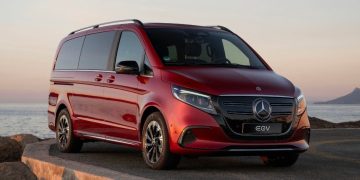


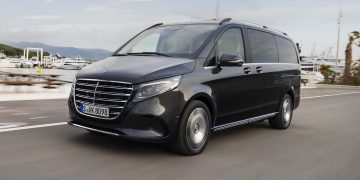
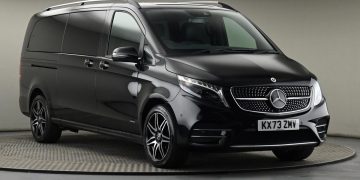
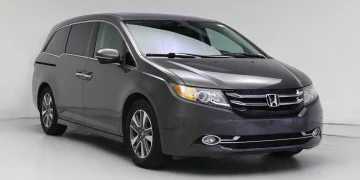


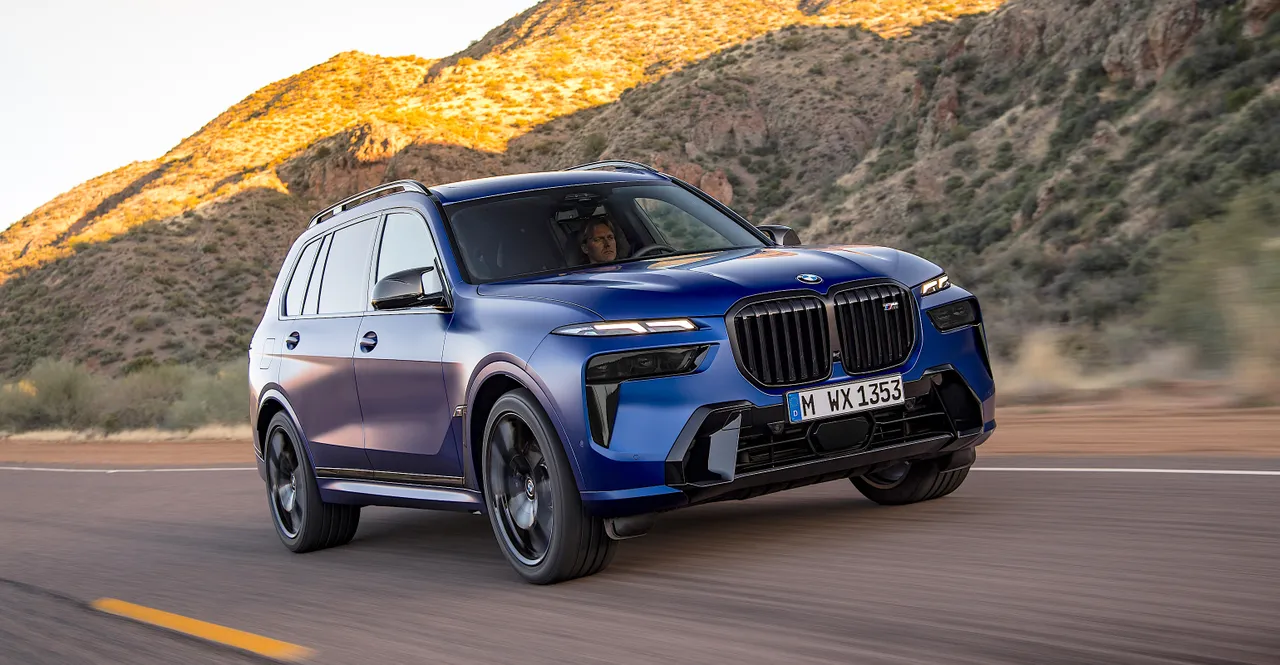
Once upon a time, the luxury SUV was a domain of two-row refinement — high-end leather, performance engines, and prestige badges intended for executives, couples, or urbanites who had outgrown sedans but not yet surrendered to family duty. Fast forward to 2025, and the blueprint has changed dramatically. Across showrooms from Beverly Hills to Beijing, luxury SUVs with three rows are no longer the exception — they’re the expectation.
From Cadillac’s thunderous Escalade-V to the refined BMW X7 M60i, elite automakers are rushing to accommodate a surprising customer demand: ultra-wealthy families who want performance and prestige, but with space for seven. And unlike the third-row seats of yesteryear, today’s implementations are no longer cramped, flat-cushioned afterthoughts. They are becoming design focal points — comfort zones with full climate control, infotainment access, and luxurious materials, tailored for the most discerning rear-seat passengers, be they children or visiting dignitaries.
What’s driving this shift? Let’s examine the evolving profile of the luxury buyer, how automakers are reinventing 3-row seating for a new era, and why the third row might be the new battleground for brand differentiation.
Luxury Consumers Are Becoming Family-Centric
At the heart of this trend lies a demographic transformation. The luxury car buyer of 2025 isn’t always a retiree looking for a sleek coupe or a singleton banker choosing the fastest SUV. Increasingly, they’re family decision-makers — dual-income households, tech entrepreneurs with young children, and even grandparents looking for multigenerational versatility without compromising prestige.
Global wealth distribution is also a factor. Markets like the U.S., China, and the Middle East are witnessing a surge in affluent families who want a vehicle that can shuttle kids to school, accommodate grandparents for dinners, and still turn heads when parked outside a luxury resort. In these contexts, 3-row capability is not a compromise — it’s a necessity.
Luxury brands have taken note. In fact, some industry analysts estimate that up to 40% of high-end SUV buyers now list third-row seating as a must-have feature. No longer relegated to utilitarian minivans or mass-market full-size SUVs, this demand is reshaping the product portfolios of brands that once refused to ‘go family.’
Designing a Third Row That Feels Like First Class
Adding a third row isn’t just about bolting on a bench. In luxury vehicles, it must uphold the brand’s promise of comfort, craftsmanship, and exclusivity — from the seat stitching to the entry mechanism. The evolution in third-row design has become a lesson in premium engineering.
Here’s what sets the latest luxury 3-row SUVs apart:
- Space Optimization: Advanced packaging techniques and extended wheelbases allow the third row to accommodate full-sized adults without contorting legroom.
- Materials Consistency: Unlike traditional SUVs where the third row gets cloth or downgraded finishes, today’s luxury models offer full leather upholstery, ambient lighting, and contrast stitching all the way back.
- Access Innovations: One-touch sliding second rows, power-folding seats, and wide door openings eliminate the stigma of “crawling into the back.”
- Technology Integration: Third-row USB-C ports, touchscreen HVAC panels, and optional individual entertainment screens give even the last row a VIP experience.
In models like the Cadillac Escalade-V, the third row is powered, heated, and flanked by panoramic glass. In the BMW X7 M60i, the seat contouring and leather quality echo those of the front row, with configurable ambient lighting and integrated armrests. These aren’t just kid haulers — they’re lounges with seatbelts.
Performance Is No Longer Sacrificed for Practicality
Traditionally, adding a third row meant adding bulk, softening suspension, and slowing down acceleration. Not anymore.
With advances in chassis dynamics, air suspension systems, and powerful electrified drivetrains, luxury SUVs with three rows now match — or even outperform — their two-row counterparts. The Mercedes-Maybach GLS 600, for example, balances sumptuous third-row comfort with a twin-turbocharged V8 capable of sub-5-second sprints. The Bentley Bentayga Extended Wheelbase offers seating for seven and still delivers Bentley’s signature W12 performance and handling.
This engineering balance is crucial. High-net-worth buyers expect zero trade-offs. Whether they’re commuting solo or taking the entire family on a weekend ski trip, their SUV must feel powerful, planted, and unmistakably premium.
Why Third-Row Luxury Is a Branding Advantage
Beyond comfort and performance, three-row seating has become a brand statement — a new way for automakers to demonstrate innovation, inclusivity, and attention to evolving customer lifestyles.
For Cadillac, the Escalade’s third row affirms its dominance in the full-size luxury SUV segment, particularly among North American families. The V-series performance variant even positions it as both a super-SUV and family carrier, blending extremes of comfort and power.
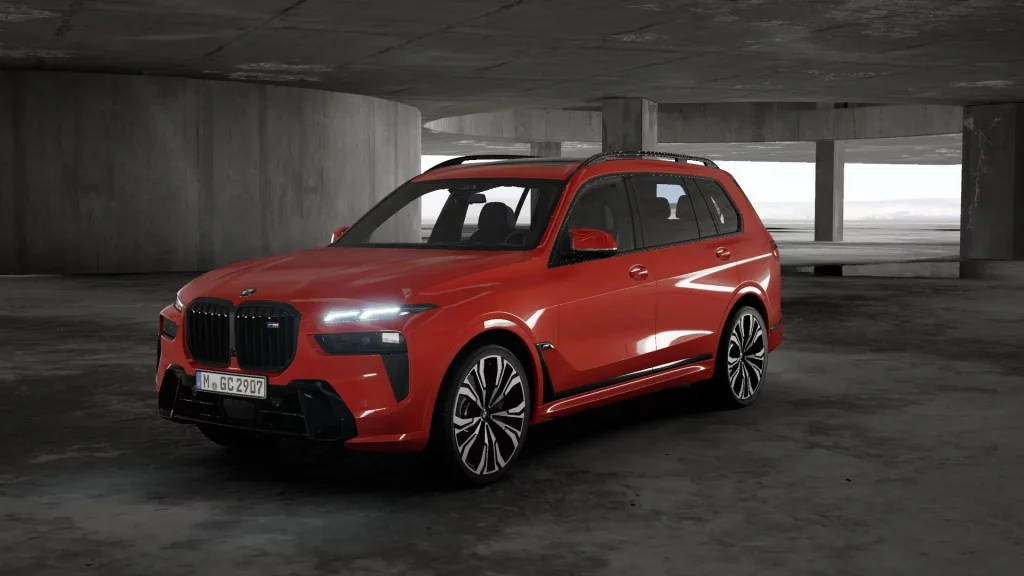
For BMW, the X7 series reinforces Bavarian luxury’s adaptability. It takes cues from the flagship 7-Series sedan but channels them into an SUV platform that can accommodate multiple passengers without aesthetic compromise.
For Lexus, the new TX 500h+ Plug-In Hybrid showcases how sustainability, tech-forwardness, and space-consciousness can coexist — even in a family-focused vehicle.
These third-row offerings are also strategically targeted at emerging-market wealth. In China, for instance, the ability to seat extended family without sacrificing prestige or ride quality has made three-row configurations an influential purchase driver.
Not Just Room for More — Room for Luxury to Evolve
The third row is no longer just about fitting more people; it’s about redefining what space and comfort mean at the highest end of the automotive market. It also dovetails with other luxury consumer trends:
- Chauffeur Culture: In markets where owners are driven, a third row allows for flexible seating arrangements — including reclining middle rows while still accommodating additional passengers.
- Tech Immersion: Brands are designing the rear cabin as an experience space, with theater-grade audio, mood lighting, and temperature-zoned luxury.
- Wellness on Wheels: Massage functions, ionizing air purifiers, and noise-canceling systems extend even to the third row in some vehicles, turning road trips into wellness retreats.
This is no longer about utility. It’s about status, serenity, and sophistication — even in the backmost seats.
Models That Are Redefining the Segment
Let’s take a closer look at some standout examples of luxury SUVs that have raised the bar for third-row design:
- Cadillac Escalade-V: With over 600 horsepower, a massive OLED dashboard, and third-row seats that can actually rival front-row real estate, this SUV is an unapologetic icon for luxury families.
- BMW X7 M60i: Offers agility and speed with a twin-turbo V8, plus a sleek cabin filled with crystal iDrive controls and immersive mood lighting. The third row is adult-worthy in both comfort and aesthetics.
- Lexus TX 500h+: A plug-in hybrid three-row that targets eco-conscious luxury buyers. Soft-close doors, 21-inch wheels, and a full suite of driver-assist tech elevate it above standard family haulers.
- Mercedes-Maybach GLS 600: With a third-row that can be customized or omitted for more space, it delivers palatial luxury with Maybach-specific styling cues.
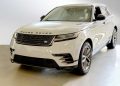
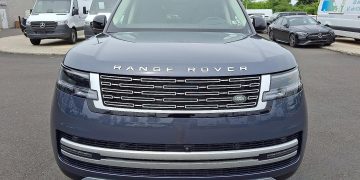
- Range Rover LWB Autobiography 7-Seater: Combines off-road prowess with city refinement, offering optional third-row seating with powered deployment and heating.
Each of these models proves that three rows can be as aspirational as a V12 engine or a diamond-stitched dashboard.
Conclusion
Luxury no longer ends at the second row. In 2025, prestige includes versatility, comfort, and family compatibility. The explosion of three-row seating in luxury SUVs reflects both a broader shift in customer demographics and a deeper evolution in what defines premium automotive design. It signals that luxury is not just about being chauffeured or owning a statement piece — it’s about living fully, traveling together, and arriving in uncompromising style.
As automakers continue to innovate in space, technology, and comfort, the third row has gone from an afterthought to a declaration: we don’t just care about who drives, but who rides — all the way to the back.