

















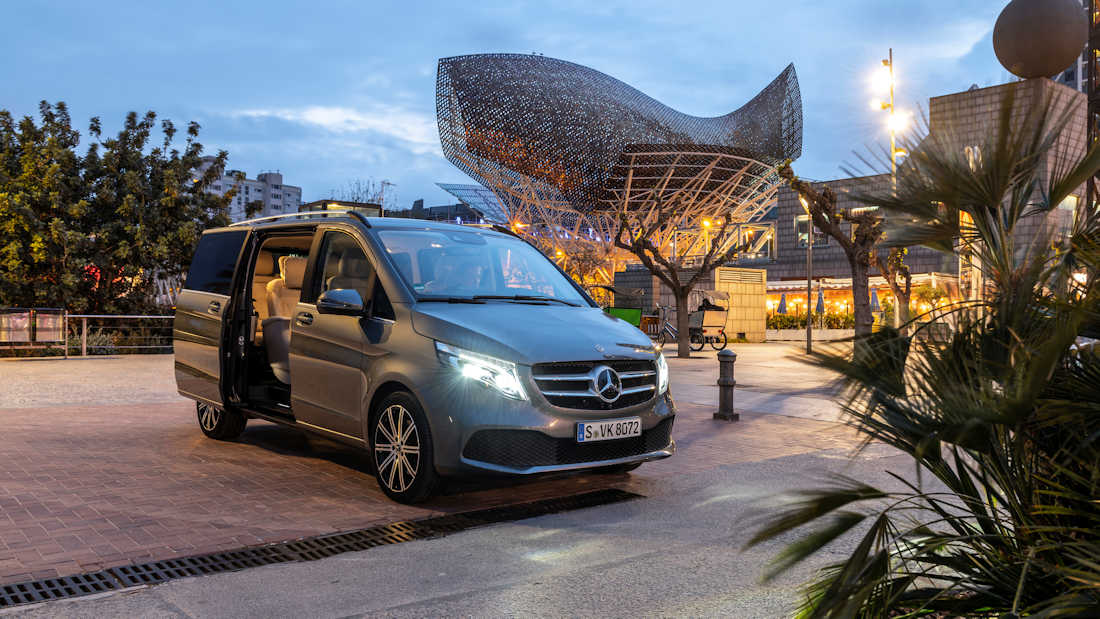
In recent years, luxury MPVs (multi-purpose vehicles) have surged in popularity across Asia, not just for their utility but as veritable expressions of personal taste and social status. Unlike traditional luxury cars that turn heads for their bold exteriors and badge power, today’s affluent Asian buyers are turning their attention inward—literally. The latest trend in the region isn’t just about what a vehicle looks like on the outside; it’s about how its interior environment is curated, personalized, and elevated to a private sanctuary on wheels. Custom interiors in luxury MPVs have quietly but decisively become new status symbols, reflecting cultural nuances, technological innovations, and shifting luxury paradigms.
The Rise of Japanese and Chinese Interior Customization Trends
Asia’s luxury MPV customization craze draws heavily from two distinct but complementary design traditions: the understated elegance of Japanese craftsmanship and the intricate symbolism rooted in Chinese aesthetics. These influences have shaped the rise of bespoke interiors that combine functionality with artistry, elevating the passenger experience to a new level.
Japanese-inspired interiors focus on minimalist refinement and natural materials. For example, brands like Toyota’s Alphard and Vellfire models often feature genuine wood grain flooring reminiscent of tatami mats, paired with subdued LED “starry sky” headliners designed to evoke serene nights in Kyoto or Okinawa. These subtle design elements create a calming ambiance, counteracting the hectic pace of metropolitan life. Sliding wooden partitions and shoji screen-style dividers provide privacy while maintaining an open feel, allowing passengers to retreat without feeling confined.
On the other hand, Chinese customization emphasizes grandeur and symbolism. High-net-worth Chinese buyers seek interiors with lacquered wood paneling, intricate mother-of-pearl inlays, and embroidered silk upholstery that references traditional motifs like clouds, dragons, or the peony flower. Color palettes often include auspicious reds, golds, and jade greens to convey prosperity and good fortune. Private compartments with heavy drapery or motorized partitions enable a blend of VIP exclusivity and family intimacy. Ambient lighting may be programmed to simulate sunrise or sunset hues, reinforcing a sense of balance and harmony—values deeply embedded in Chinese philosophy.
This fusion of Japanese minimalism and Chinese opulence is not coincidental. It mirrors the cultural complexity of Asia’s most influential luxury consumers—sophisticated, global, yet deeply connected to heritage. As a result, luxury MPV interiors have become canvases where cultural narratives are expressed in wood, leather, and light.
Why High-Net-Worth Users Are “Showing the Cabin” Instead of the Car’s Exterior
Traditionally, luxury car ownership signaled status through conspicuous badges, chrome grilles, and aggressive styling. But for Asia’s growing class of entrepreneurs, executives, and celebrities, the equation has shifted. In an era where digital presence is ubiquitous and social media amplifies personal storytelling, the focus has moved from “showing off the car” to “showing off the experience within the car.”
This change is partly generational. Younger ultra-wealthy individuals prioritize privacy and intimacy. A flashy exterior might invite unwanted attention or dilute exclusivity. Instead, the true prestige lies in how a vehicle’s interior functions as a mobile living room, office, or entertainment suite. High-speed internet connectivity, fold-out work tables, ultra-comfortable zero-gravity seats, and personalized scent diffusers create a cocoon where productivity and relaxation coexist.
In elite circles, “showing the cabin” has become a form of discreet status signaling. Invitations to ride in or view a custom MPV interior serve as social currency. Exclusive gatherings may revolve around comparing finishes, technology integrations, and innovative comfort features rather than engine specs or horsepower. This trend is magnified by Asia’s cultural emphasis on hospitality and face—the curated environment inside the vehicle is an extension of the host’s identity and respect for guests.
Furthermore, interior customization allows owners to project their identity more authentically. Whether it’s integrating bespoke artworks, family heirlooms, or cutting-edge multimedia, the car becomes a platform for storytelling. This personal connection deepens emotional attachment and creates lasting value beyond traditional automotive benchmarks.
Toyota and Denza’s Cultural Adaptation Strategies
Recognizing these nuanced market demands, leading manufacturers like Toyota and Denza (a joint venture between BYD and Daimler) have adopted sophisticated cultural adaptation strategies to capture Asia’s luxury MPV segment.
Toyota’s approach leverages its deep understanding of Japanese aesthetics and craftsmanship, embedding them into models like the Alphard and Vellfire while tailoring options for different Asian markets. The automaker offers modular interior packages that can be customized with premium materials sourced regionally—such as Indonesian teak, Vietnamese rattan, and Chinese silk—allowing buyers to blend global quality with local identity. Toyota’s “Omotenashi” philosophy—unparalleled hospitality—is reflected in features like whisper-quiet cabins, advanced climate control with aromatherapy, and intuitive seat adjustments anticipating occupant needs.
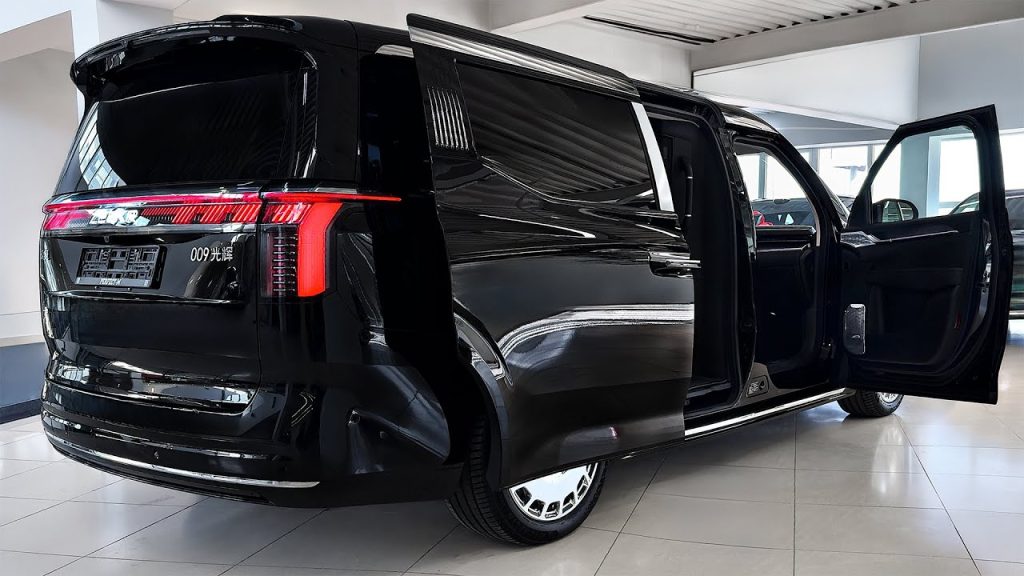
Denza takes a slightly different route by integrating Chinese cultural preferences with green technology. Their MPVs feature sustainable yet luxurious interiors using eco-friendly leathers and bamboo veneers. Denza’s infotainment systems are optimized for regional digital ecosystems like WeChat and Baidu, ensuring seamless connectivity. Their bespoke customization includes personalized mood lighting schemes based on feng shui principles, along with partitions that enhance both privacy and social interaction depending on the occasion. Denza’s marketing emphasizes the fusion of tradition and innovation, positioning their vehicles as symbols of modern Chinese prestige.
Both brands also understand that the luxury MPV buyer expects a level of exclusivity comparable to bespoke yachts or private jets. To that end, limited-edition trims and one-off customization consultations with designers and artisans are now standard offerings. The goal is to elevate the vehicle into a lifestyle statement, not merely a mode of transport.
The Cultural Implications of Interior Status
This focus on interior luxury reveals broader cultural dynamics at play in Asia’s rising wealth demographics. It speaks to a collective shift from material accumulation toward experiential sophistication. The luxury MPV’s interior is a microcosm of a growing appetite for meaningful comfort, discretion, and personal expression amid rapid urbanization and social transformation.
It also reflects subtle assertions of power and taste that resonate beyond borders. In a globalized world, owning a meticulously customized MPV signals cosmopolitanism while honoring deep-rooted traditions. It’s a quiet but unmistakable proclamation: wealth is no longer just about what you drive, but how you create spaces that inspire and connect.
Conclusion
The ascendance of custom interiors in luxury MPVs as status symbols in Asia marks a significant evolution in luxury mobility culture. Drawing on Japanese and Chinese design philosophies, this trend harmonizes heritage with high-tech innovation, comfort with privacy, and function with artistry. It reveals a new kind of prestige—one measured not by exterior flash but by the depth and thoughtfulness of interior experience.
For brands like Toyota and Denza, mastering this shift is essential to capturing the hearts and wallets of Asia’s discerning elite. More than transportation, these vehicles are moving sanctuaries, tailored to the lifestyles of those who value subtlety, sophistication, and storytelling. As the market continues to grow, expect the line between automotive engineering and cultural expression to blur even further, making the luxury MPV interior the ultimate canvas of status in Asia.