
The automotive industry is accelerating into an electrified future, but not all brands start this race from the same place. Heritage manufacturers like Maserati face a particularly complex challenge: how to retain the emotional power of legacy, performance, and design while fully transitioning to electric drivetrains. With competitors like Porsche, BMW, and Lucid already gaining ground in the high-performance electric sedan space, the pressure is mounting. For Maserati — a name soaked in Italian history, racing prestige, and evocative combustion engine soundtracks — the electrification of its Ghibli and Quattroporte lines may prove to be either a renaissance or a reckoning.
This article explores Maserati’s electrification roadmap, how its storied brand language is being translated into kilowatts and torque curves, and whether emotionally driven customers are willing to pay premium prices for nostalgia rewritten in electrons.
Maserati Ghibli and Quattroporte: Evolution or Extinction?
The Ghibli and Quattroporte have long defined Maserati’s sedan ambitions. The former, introduced in the 1960s as a grand tourer and reborn in the 2010s as a midsize luxury sedan, serves as Maserati’s volume model. The latter, first launched in 1963, has historically been the brand’s flagship: a four-door sedan with the soul of a sports car.
Both models are now nearing a generational tipping point. As Maserati pushes toward its goal of becoming an all-electric brand by 2030, the transition of the Ghibli and Quattroporte into electrified or fully electric vehicles becomes inevitable. But this is not merely about swapping gasoline engines for motors and batteries. It’s about reimagining the entire identity of a Maserati sedan in a way that honors the past but feels urgent for the future.
The upcoming Quattroporte Folgore — Maserati’s electric flagship — will reportedly feature over 750 horsepower, AWD, and fast-charging capabilities. Yet specifications alone don’t define success in this category. Tesla has taught us that raw numbers are abundant. What Maserati must deliver is emotional engagement: a visceral link between the driver, the machine, and the heritage stitched into the Trident badge.
How Do You Translate Heritage Into an EV Language?
Maserati’s value as a brand comes not from volume or ubiquity, but from mythology. That mythology is built on design elegance, performance bravado, and — perhaps above all — the sonic charisma of its engines. Whether it’s the Ferrari-derived V8 in a Quattroporte GTS or the twin-turbo V6 in the Ghibli Trofeo, these cars were as much heard as seen.
Electric motors, for all their mechanical superiority, are quiet, sterile, and digitally controlled. They don’t rev, they whir. This lack of drama poses a significant challenge for a brand whose identity is tied to evocative combustion sounds and analog emotion.
To adapt, Maserati is investing in what might be called “emotional translation.” This includes:
- Artificially tuned electric soundtracks through in-cabin speakers — engineered to evoke, rather than replicate, Maserati’s old V8 growl.
- Sharp, aggressive design language meant to emphasize kinetic energy even at a standstill.
- Software-tuned acceleration profiles that mimic the rising drama of ICE vehicles rather than delivering all torque immediately.
Moreover, Maserati is emphasizing Italian craftsmanship and tactile luxury more than ever. The idea is that if sound and vibration must recede, then visual beauty, material feel, and design coherence must rise to take their place. A fully electric Ghibli, for instance, may not have a gearshift, but it might have a hand-stitched leather dash that communicates the same level of passion.
The Electrification Challenge: Competing Against New and Old Giants
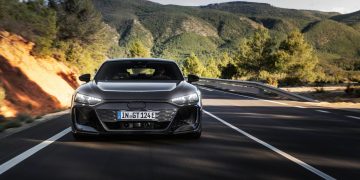
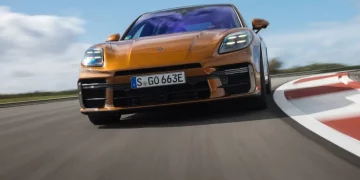
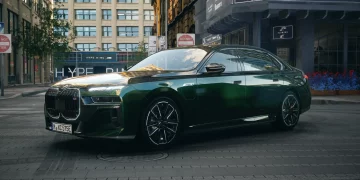
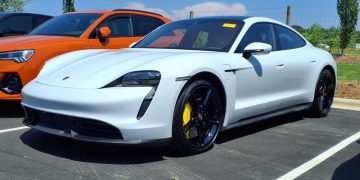
Maserati is not alone in trying to straddle the line between legacy and the electric future. Porsche’s Taycan has already proven that a heritage sports car brand can succeed with electrification, as long as it delivers an unmistakably branded driving experience. BMW and Audi are rapidly filling their lineups with EV sedans that offer familiar ergonomics and performance. And then there are disruptors like Lucid, Rivian, and Nio, whose products are untethered to the past and fully embrace the tech-forward ethos of modern EV buyers.
The Maserati challenge is unique because its emotional equity is much higher than its market share. Unlike Mercedes or Porsche, Maserati has always been a niche player — and that makes its path more delicate. It doesn’t have the volume to absorb failed experiments nor the same EV R&D scale. But it does have the brand magic, the visual artistry, and a devoted following.
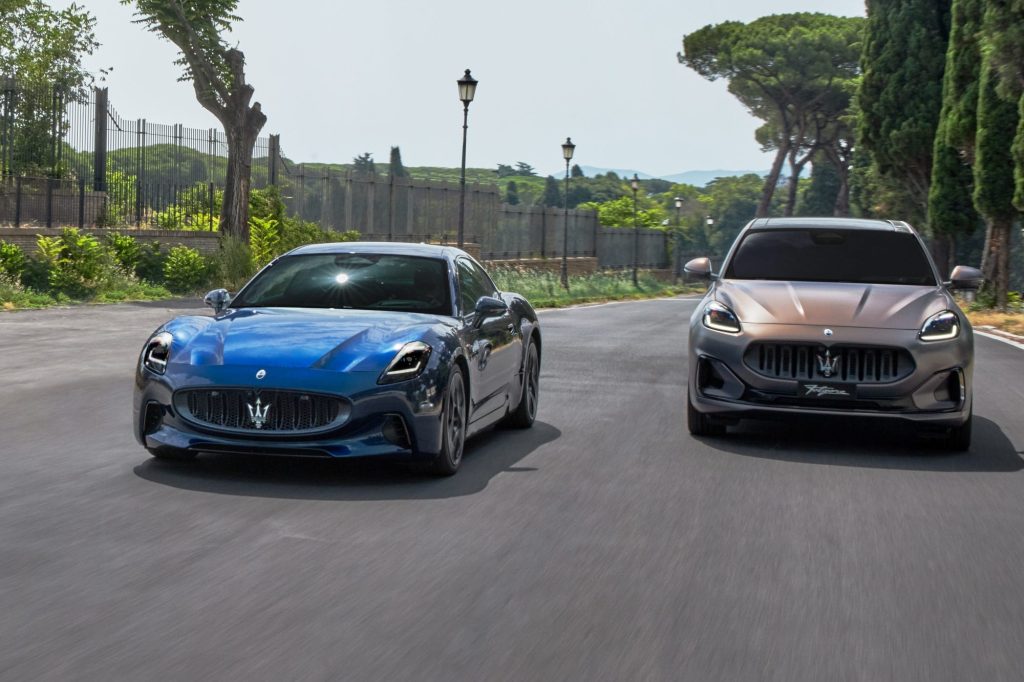
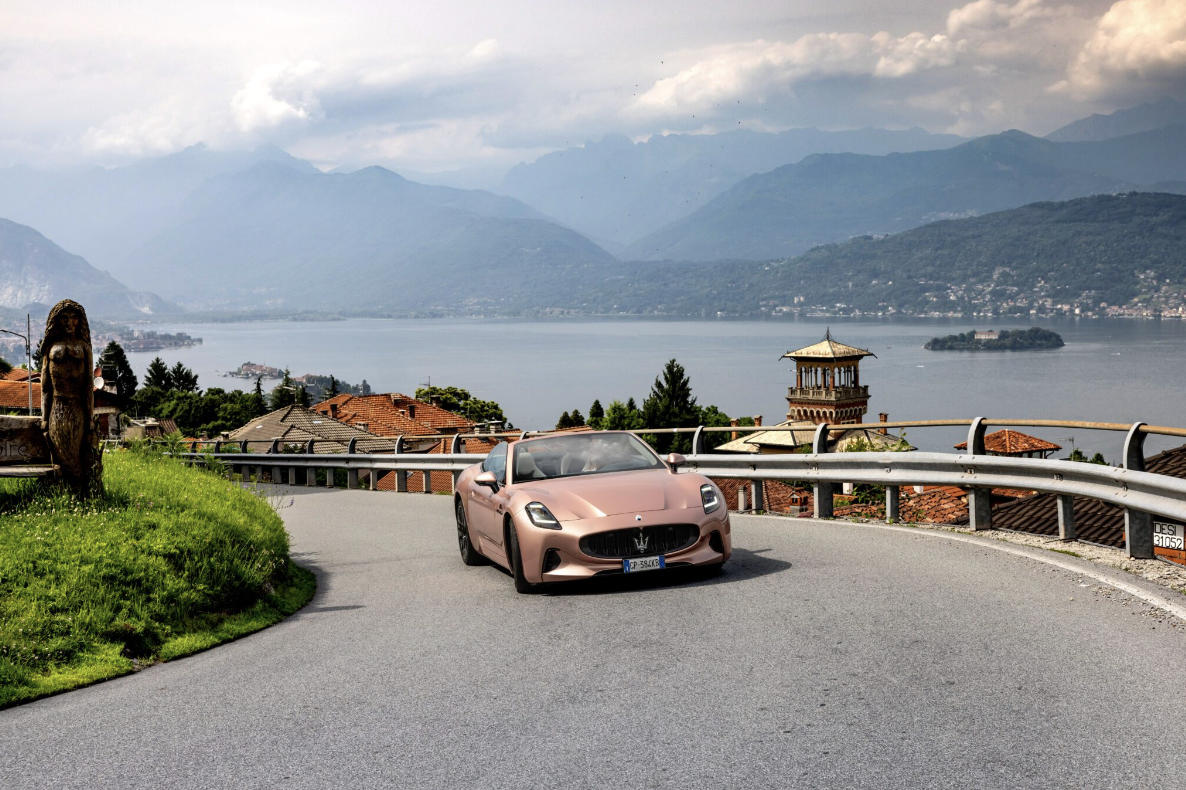
To stand out in the electrified sedan era, Maserati must do what it always did best: make people feel something. It must turn kilowatts into character, battery range into charisma, and 0–60 figures into narrative arcs. The Folgore lineup, which includes electrified versions of the Grecale SUV and GranTurismo coupe, will be a litmus test. But it is the Ghibli and Quattroporte — the icons of four-door Italian luxury — that must carry the emotional baton into the EV age.
Are Consumers Willing to Pay for Emotional EVs?
Perhaps the most pressing question is whether customers are ready to pay Maserati prices for an experience that lacks the growl and grit they expect. The average buyer of a Ghibli or Quattroporte isn’t necessarily looking for Tesla efficiency or Mercedes EQS minimalism. They want drama, design, and desirability.
This emotional purchasing logic can work in Maserati’s favor — if executed correctly. Premium EV buyers, especially those trading up from ICE-powered exotics or looking for something different than the Silicon Valley aesthetic, may be drawn to a vehicle that tells a more passionate story.
But there are risks. Electrification could erode the core of what makes a Maserati feel special, turning it into just another quiet, quick car. If buyers feel that the emotional substance has been sacrificed for technological conformity, they may walk away — or worse, buy a Lucid and never look back.
Moreover, pricing will be critical. A $140,000 electric Quattroporte must compete not just on specs, but on experience. If that experience doesn’t feel at least as special as the ICE models before it, the “heritage premium” will begin to seem like an overpriced memory.
Conclusion
Maserati stands at a crossroads — one where electricity meets emotion, where tradition wrestles with transformation. The brand’s storied past and visual artistry give it a head start in an era where identity matters more than raw specs. But it must now prove that its essence — once expressed in mechanical roar and sculpted sheet metal — can live on in silence and software.
The coming electric Ghibli and Quattroporte will not only define Maserati’s future; they will test the entire concept of emotional luxury in a digitized, electrified automotive world. For now, the world watches as Maserati attempts the rarest of feats: to reinvent its soul without losing it.