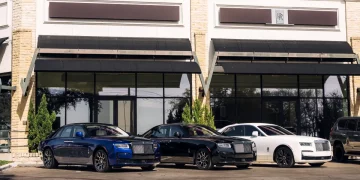
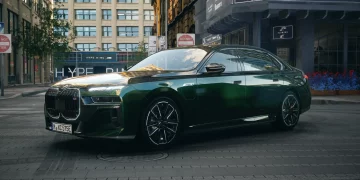

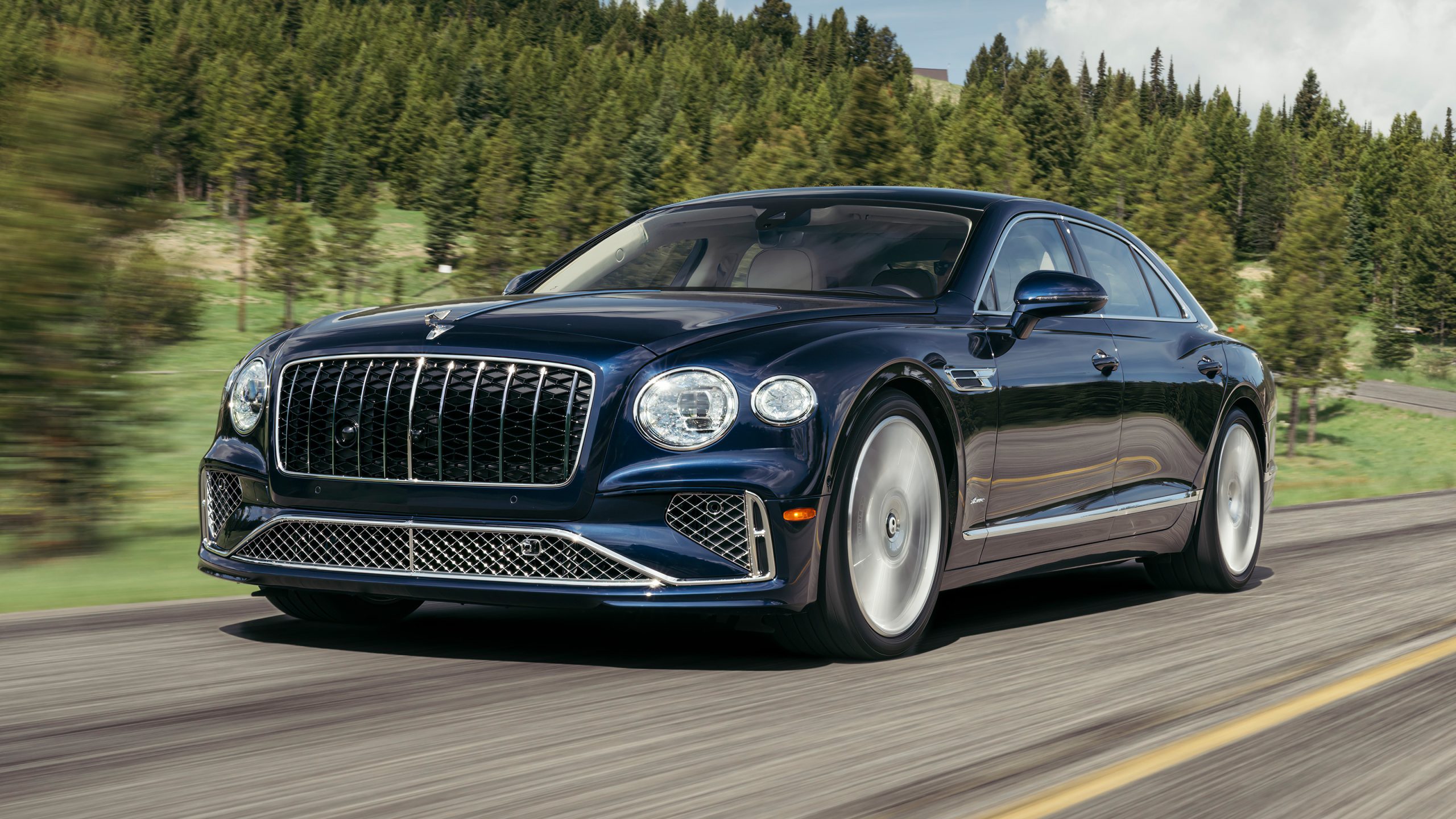
The Chinese luxury automotive market has long been a hotspot for innovation and unique consumer preferences that often diverge from global trends. Among the most striking features of this market is the persistent and robust demand for long-wheelbase (LWB) sedans. Brands like Bentley, Audi, and Mercedes-Benz consistently produce exclusive “L” versions of their flagship sedans specifically tailored to Chinese buyers, and these models frequently outperform their standard-wheelbase counterparts in sales and prestige.
This article explores why long-wheelbase sedans remain the preferred choice among Chinese luxury consumers. We will analyze how rear-seat experience dominates purchasing decisions, the cultural and aesthetic values tied to extended wheelbase vehicles, and how these cars symbolize power and status in contemporary China. By understanding these layers, it becomes clear why the long-wheelbase sedan continues to thrive despite the global shift toward SUVs and electric vehicles.
Bentley, Audi, and Mercedes-Benz: The Long-Wheelbase Sedans Tailored for China
Luxury brands have recognized China as a unique and pivotal market, and many have responded by creating dedicated long-wheelbase models that cater specifically to local tastes. These extended versions are not just lengthened for the sake of size but are carefully engineered with enhancements that elevate the rear-seat environment to near-palatial levels.
Take the Bentley Flying Spur Extended Wheelbase: beyond its superior craftsmanship and ultra-luxurious materials, the LWB version includes additional legroom, improved suspension tuning for rear passengers, and bespoke features like folding picnic tables, refrigerated compartments, and massage seats. This level of customization appeals directly to China’s elite, who often prioritize chauffeured comfort over driving engagement.
Similarly, Audi’s A8 L and Mercedes-Benz’s S-Class L have long been synonymous with status in China. Their elongated frames translate into more rear-seat legroom and advanced amenities such as rear-seat entertainment systems, executive seating configurations, and climate controls that ensure each passenger enjoys an isolated sanctuary. The exclusivity of these “L” models is also reinforced by bespoke trim options and technology features that may be unavailable in other markets.
This targeted engineering and design show how luxury brands understand and cater to Chinese consumers’ desires for rear-seat-centric vehicles, positioning long-wheelbase sedans as definitive status symbols.
Rear-Seat Experience: The Decisive Factor in Luxury Sedan Purchases
Unlike many Western luxury car buyers who often value the driving experience, Chinese luxury consumers frequently make purchasing decisions based on the quality and sophistication of the rear-seat experience. This is largely due to the prevalence of professional drivers among affluent buyers and the cultural emphasis on comfort and dignity when being chauffeured.
In China, the backseat is not just a place to sit; it is a mobile office, relaxation area, and a symbol of one’s social and economic standing. Hence, extended wheelbase models invest heavily in enhancing every aspect of the rear cabin. Features like reclining seats with leg rests, advanced noise cancellation, and personalized ambient lighting are not mere luxury perks but essential criteria that influence buying choices.
Additionally, rear passengers often expect seamless connectivity options, including high-definition screens, wireless charging stations, and voice-activated controls, enabling them to conduct business or unwind in privacy. Brands know that superior rear-seat accommodations create an aura of prestige and exclusivity that resonates deeply with Chinese consumers.
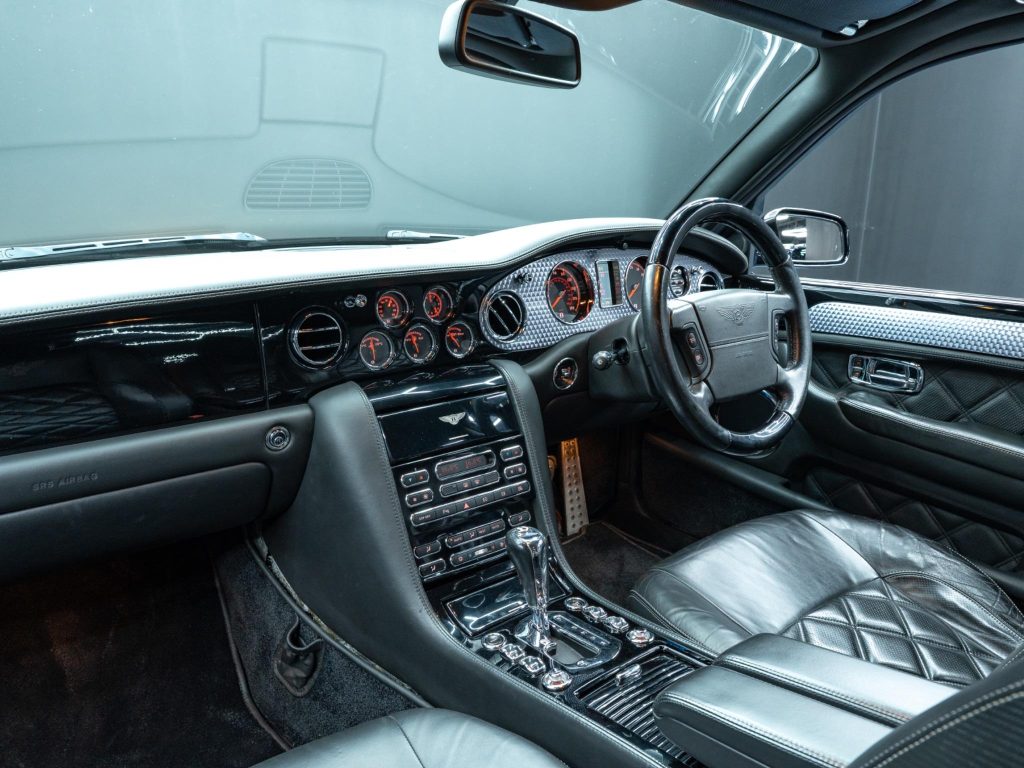
The influence of rear-seat experience extends beyond personal comfort to reflect on the owner’s status. Arriving at a business meeting or social event in a spacious, impeccably appointed long-wheelbase sedan sends a strong message about one’s success, authority, and sophistication.
Cultural Aesthetics and Power Symbolism Behind the Long Wheelbase
The preference for long-wheelbase sedans in China is not only practical but also steeped in cultural values and traditional notions of power. Length in vehicles translates symbolically to grandeur and importance, echoing historical Chinese concepts where scale and spatial presence were markers of prestige.
From the imperial palaces to the grand carriages of nobility, length and space have been associated with dignity and influence. This cultural heritage permeates modern automotive tastes, where a longer car signifies not just physical space but also a metaphorical extension of one’s social reach and authority.
Moreover, the aesthetic proportions of a long-wheelbase sedan project a sense of calm confidence and measured luxury. The stretched silhouette commands attention without ostentation, aligning with Chinese sensibilities that value subtlety and refinement over flashiness.
Power dynamics also play a significant role. In the Chinese corporate and political landscapes, being driven in a long-wheelbase luxury sedan signifies a hierarchical status and respect. It reflects the occupant’s importance within organizational structures and society at large.
This symbolism is so strong that many buyers will specifically seek the “L” models, viewing them as indispensable tools to convey their position and influence during high-stakes meetings and public appearances.
Why Long-Wheelbase Sedans Persist Despite Global SUV Trends
While SUVs and electric vehicles dominate global luxury markets due to versatility and environmental concerns, the long-wheelbase sedan continues to thrive in China because it fulfills a very different set of needs tied to culture, tradition, and social signaling.
SUVs often emphasize driver control and outdoor lifestyles, traits less relevant to China’s urban luxury elite who rely on chauffeurs and prioritize comfort and prestige above all. Likewise, while electric vehicles gain traction for sustainability, many affluent Chinese buyers still prefer the craftsmanship, status, and tradition embodied by established luxury sedans.
Manufacturers have also adapted by integrating hybrid and electric powertrains into their LWB sedans, combining cutting-edge technology with cultural expectations, ensuring these vehicles remain relevant and desirable.
Conclusion
The enduring dominance of long-wheelbase sedans in the Chinese luxury market is a fascinating interplay of tailored engineering, cultural aesthetics, and deeply rooted social symbolism. Bentley, Audi, Mercedes-Benz, and other luxury brands have successfully crafted “L” models that prioritize the rear-seat experience, meeting the exacting demands of China’s affluent consumers.
More than just vehicles, these extended sedans represent a mobile expression of power, refinement, and tradition, offering a form of exclusivity that resonates uniquely in China’s social and business contexts. As global automotive trends continue to evolve, the long-wheelbase sedan’s position in China remains robust, illustrating how culture and consumer values can shape automotive preferences in unexpected ways.