




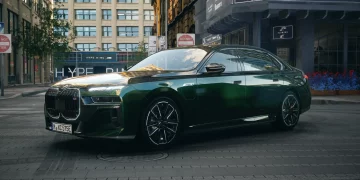



















For decades, luxury sedans have relied on a visual language of abundance—leather-clad dashboards, a symphony of chrome-trimmed physical buttons, analog clocks set into wood veneers, and tactile controls that reminded drivers of their command. But in 2025, a quiet revolution is sweeping the cabin. The interiors of luxury sedans are being stripped down, digitized, and reimagined. The traditional definition of automotive opulence is being challenged by a wave of minimalism, driven by both technology and a generational shift in consumer psychology. Lucid, Polestar, Tesla, and others are leading a new design doctrine—one that prioritizes touchscreens, ambient lighting, and intentional emptiness over material extravagance. And in doing so, they are transforming not just car interiors, but the very identity of what luxury means behind the wheel.
Minimalist Center Consoles and the Rise of Touch-Only Control
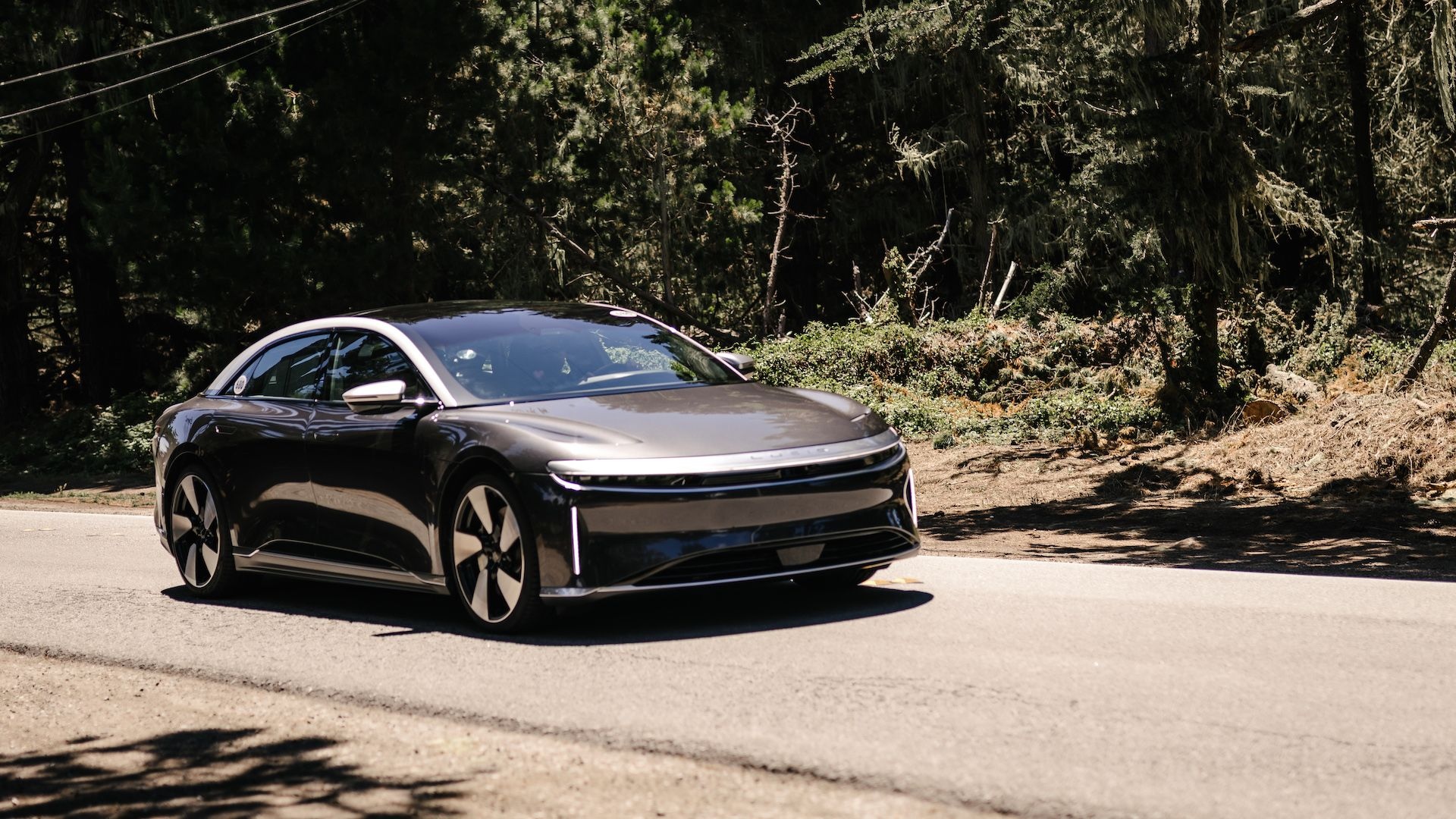
Lucid Motors’ Air Pure and Air Sapphire models offer a strong case study in how far luxury interior design has moved from legacy norms. A seamless floating dashboard, anchored by an expansive glass canopy, houses a retractable central screen. Buttons are virtually nonexistent. Polestar 3 and 4 take this even further: a single vertical display handles everything from air conditioning to drive modes. Even the volume knob—once a sacred tactile element—is now a haptic swipe or voice command.
Tesla’s Model S Plaid has arguably taken minimalism to its radical extreme. There is no gauge cluster in front of the driver, just a landscape-mode screen to the right. Critics once balked at the absence of traditional cues, but today it’s widely accepted by Tesla’s core demographic, who equate this stripped-back interface with forward-thinking design.
These brands aren’t simply removing buttons—they’re reprogramming the idea of driver control. They claim that the absence of visual clutter reduces cognitive load, enhances focus, and enables a “zen-like” driving experience. In place of knobs and switches, there is fluidity—touch, swipe, voice, gesture. The material world is dematerializing into digital.
From Physical Luxuries to Sensory Immersion
As the tactile elements retreat, luxury in modern sedans is increasingly expressed through sensory immersion. Instead of pressing a button to feel importance, drivers are enveloped in curated experiences—ambient lighting sequences that mimic circadian rhythms, spatial audio systems that create concert-hall acoustics, and temperature zones that adapt dynamically to passenger body heat.
The Mercedes-Benz EQS and BMW i7 exemplify this pivot. While not fully minimalist, they blend their traditional luxury pedigree with next-gen immersion. Panoramic ambient lighting pulses in sync with music. Scent diffusers infuse the cabin with subtle aromas. Rear passengers are cocooned in reclining massage seats while interacting with high-resolution touchscreens embedded into the doors or headrests.
The key point is that luxury has shifted from physical visibility to emotional invisibility. Wealth used to mean being surrounded by materials—walnut, brushed aluminum, hand-stitched leather. Now it means orchestrated serenity: silence, sensory modulation, digital responsiveness. Instead of broadcasting richness, it whispers comfort.
The New Luxury Buyer and the Redefinition of Prestige
This design evolution isn’t arbitrary—it’s deeply rooted in the tastes of new luxury buyers. Millennials and Gen Z, now entering prime earning years, have grown up in the age of iPhones, Spotify, and TikTok. Their understanding of premium isn’t tied to how many buttons they can press or how heavy the door sounds—it’s defined by speed, customization, elegance of interface, and seamless integration into their digital lives.
For them, minimalism is not austerity—it’s a visual expression of clarity and sophistication. A clean cabin suggests technological mastery and environmental awareness. Fewer moving parts imply fewer distractions and fewer breakdowns. And importantly, a minimalist car interior aligns with the broader lifestyle aesthetic they already buy into—Scandinavian furniture, minimalist watches, and homes with open space and curated textures.
In Asia, particularly in China and South Korea, this minimalism trend is amplified. Local consumers view digital minimalism as a status marker. A fully screen-operated car feels more advanced, more future-forward. Tesla’s dominance in these markets is partly owed to this value alignment. Lucid and Polestar, recognizing this, design their UIs and cockpit aesthetics specifically to resonate with this digital-nativist mindset.
The Risks of “Too Minimal” and the Human Touch Paradox
Despite its many advocates, minimalist design is not without criticism. Automotive journalists and driving purists argue that replacing physical buttons with multi-layered screen menus can reduce intuitiveness and safety. When everything from turning on the defroster to adjusting seat temperature requires navigating digital tabs, the result can be driver distraction.
BMW’s latest iDrive 9 interface attempts to split the difference—offering haptic feedback in key zones of the screen and retaining a few physical shortcuts. Volvo’s next-generation interiors, while clean, also keep tactile knobs for climate control. These choices reflect an important insight: true luxury is not about the absence of things, but the right presence of them.
Some brands are even subtly backtracking. Porsche, while experimenting with digital minimalism in its Taycan and upcoming electric Macan, continues to champion a “driver-focused” approach with physical elements where necessary. Lexus, known for its opulent yet tech-conscious interiors, blends screens with artisanal textures and details—offering a layered sensory experience instead of clinical minimalism.
Minimalism as Brand Philosophy, Not Just Aesthetic
Ultimately, interior minimalism is not merely a trend—it’s a design philosophy that communicates values. It signals environmental responsibility, tech fluency, and emotional intelligence. The Lucid Air’s vegan leather and repurposed fibers quietly speak to sustainability. The Polestar 3’s contextual lighting suggests mood-awareness. Tesla’s lack of clutter conveys radical innovation.
This shift also influences how buyers perceive legacy brands. Automakers like Rolls-Royce, Bentley, and Audi must now decide how far to embrace this new language. Their challenge is balancing heritage and opulence with the younger generation’s craving for quiet tech. Bentley’s upcoming EVs hint at a hybrid path—offering minimal layouts augmented by rich materials and personalization layers.
The interior of a car is no longer just a place to sit—it’s a canvas of identity. And minimalism is the paintbrush reshaping what prestige feels like, looks like, and how it behaves in motion.
Conclusion
Interior minimalism is redefining the luxury sedan identity not by removing luxury, but by reimagining its delivery. Where once prestige was layered in chrome and mahogany, now it arrives through whisper-quiet cabins, responsive screens, and touchless controls. Lucid, Polestar, and Tesla are not just designing interiors—they are reprogramming the very emotional experience of driving.
For new luxury consumers, minimalism equals modernity. For brands, it presents both an opportunity and a challenge: simplify without losing soul, digitize without dehumanizing, and deliver immersion that feels intimate. The future of luxury sedans will not be louder—it will be quieter, cleaner, and more intelligent. And that, in itself, may be the ultimate luxury.