

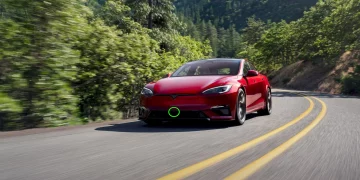


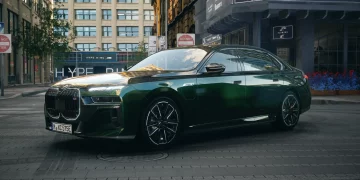
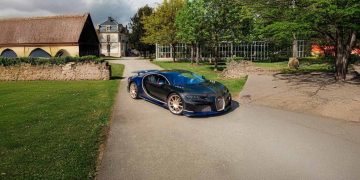


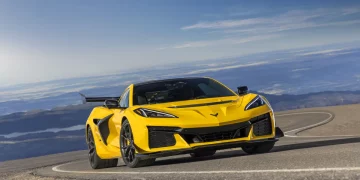

















For decades, the idea of a daily-drivable supercar was an automotive contradiction. Supercars were thrilling but temperamental, fast but unforgiving, gorgeous but impractical. They were toys for weekend canyon runs or curated showpieces for climate-controlled garages—not vehicles one would willingly take to the office, run errands in, or squeeze into a grocery store parking lot. That’s changing, fast.
Today, a new generation of “everyday supercars” is emerging, designed not just for raw performance, but for comfort, usability, and intelligent living. With models like the McLaren GT and Ferrari Roma leading the charge, the industry is seeing a notable shift in how supercars are being positioned, used, and even owned. These aren’t watered-down sports cars, but true performance machines with the refinement, tech, and versatility to be driven daily. The romantic idea of a supercar no longer has to come with the burden of impracticality.
So, is the concept of a daily-drivable supercar finally a reality? Let’s explore how this shift happened, what makes these machines different, and who’s buying them.
The Rise of “Livable” Supercars: From Track Monsters to Urban Companions
The transformation didn’t happen overnight. The supercar world has traditionally been dominated by designs focused on lap times, downforce, and head-turning aesthetics. With that came bone-jarring suspension, claustrophobic cabins, laughable storage space, and questionable reliability.
Yet a new subset of high-performance GT cars has emerged—vehicles that preserve the drama and prestige of their brand’s badge, but ditch the compromises. The McLaren GT, for example, was the company’s first real attempt to combine performance and everyday luxury. It has 612 horsepower and can sprint to 60 mph in 3.1 seconds, but also boasts a spacious trunk and supple suspension designed for long-distance comfort.
Ferrari answered with the Roma. Designed with “La Nuova Dolce Vita” in mind, the Roma combines the signature Ferrari thrill with an emphasis on refined styling, spacious seating, and technology that doesn’t intimidate. It doesn’t scream for attention like a mid-engined F8—it seduces. The result? A Ferrari that feels as comfortable on a dinner date as it does on a racetrack.
Porsche, of course, has long blurred this line with its 911 Turbo and Turbo S models. But the fact that more exotic brands are following suit suggests that the market demand is real—and growing.
Comfort Meets Performance: The New Supercar Toolkit
So, what separates a daily-drivable supercar from its raw, track-hardened sibling? The answer lies in a surprisingly extensive reengineering of priorities and components.
- Suspension and Ride Quality
Adaptive damping systems now allow supercars to intelligently adjust ride quality. At the press of a button, your hardcore V8 monster becomes compliant enough to glide over potholes and speed bumps. Magnetic ride control, air suspension systems, and soft suspension presets make a world of difference. - Interior Ergonomics and Infotainment
Out go the bare-bones, carbon-fiber-heavy cabins. In come leather-wrapped dashboards, ambient lighting, and 12-inch infotainment displays with Apple CarPlay and Android Auto. The Ferrari Roma’s user interface, while futuristic, is designed to be intuitive—even for those transitioning from a luxury SUV. - Luggage Space and Practical Design
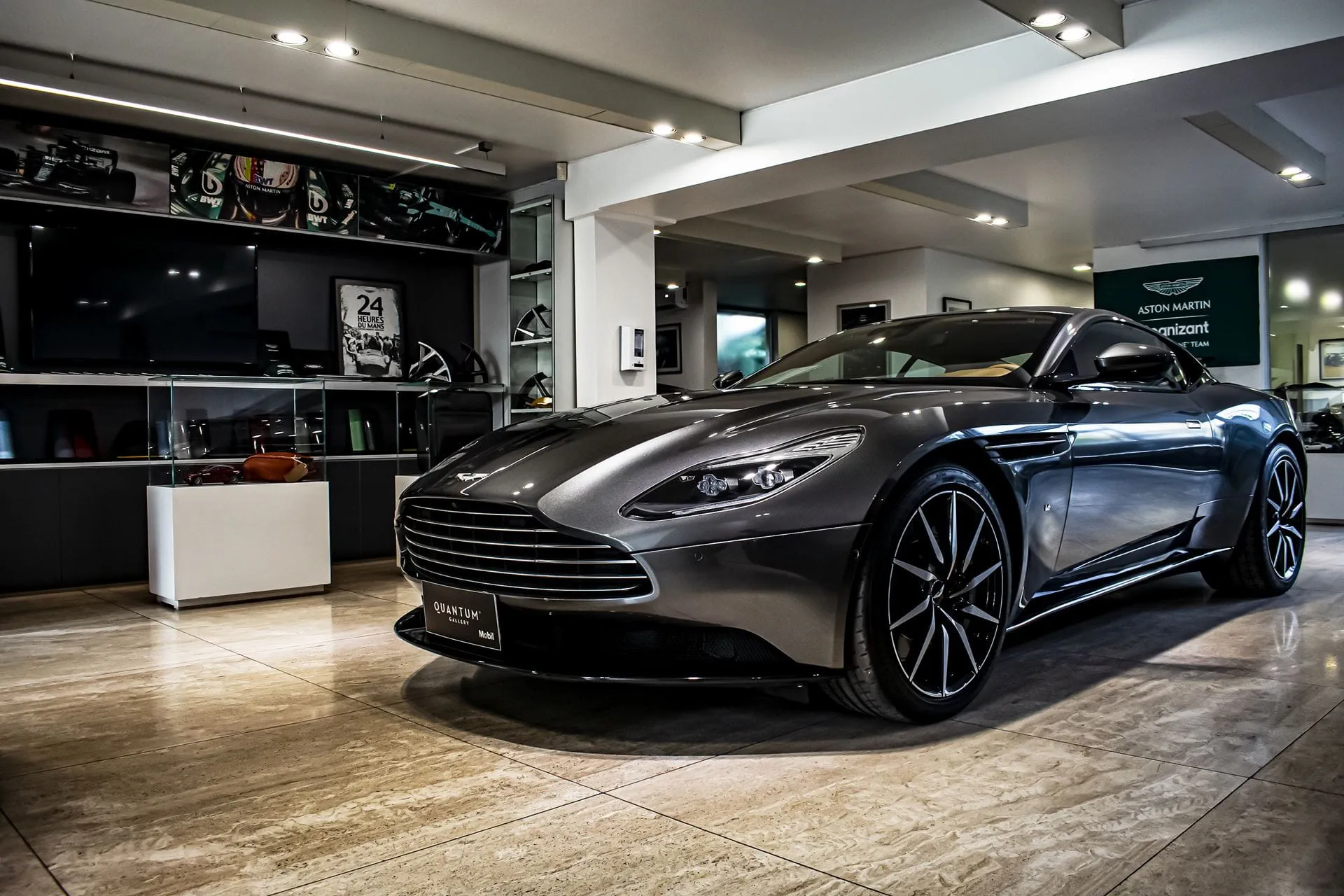
The McLaren GT, despite being mid-engined, has over 20 cubic feet of storage—more than some compact SUVs. Ferrari engineered the Roma’s rear seats and trunk to accommodate real-world travel bags. Even Aston Martin’s DB12, often classified as a super-GT, offers credible everyday flexibility. - Tech-Assisted Driving
Adaptive cruise control, blind-spot monitoring, 360-degree cameras, and auto-parking assist used to be unthinkable in a Ferrari or McLaren. Now, they’re considered essentials for daily usability. The once raw cockpit is now aided by digital co-pilots. - Cabin Accessibility and Visibility
Gone are the gullwing and scissor doors of old—or at least they’re being softened. Easier ingress/egress, larger door openings, better visibility from the cockpit, and minimalist dashboards reduce the sensory stress of urban driving. - Thermal and Acoustic Refinement
Early supercars were hot, loud, and vibratory inside. Now, dual-zone climate control, laminated acoustic glass, and noise-reducing wheel liners create serene cabins that insulate the driver from road fatigue.
Who’s Buying These Cars? The Rise of the “Grounded Aspirationalist”
Today’s supercar buyer is younger, more design-conscious, and less willing to compromise. They’re not necessarily the flashy, old-money aristocrats or motorsport purists of decades past. The new buyer profile blends the practicality of a tech entrepreneur with the design taste of a luxury minimalist.
In fact, many of these buyers are cross-shopping performance SUVs or high-end EVs (like the Tesla Model S Plaid or Lucid Air Sapphire) and realize they don’t have to give up daily comfort for driving excitement. Their priorities?
- Discretion + Power: They want speed without the shout.
- Multi-role Vehicles: A car that can impress at valet parking, perform on the autobahn, and not embarrass them in a Whole Foods parking lot.
- Digital Native Expectations: They want connected tech, smart interfaces, and intuitive systems. In other words, they expect luxury performance to evolve with their lifestyle.
The Ferrari Roma, McLaren GT, and Aston Martin DB12 answer these calls perfectly. These aren’t toys—they’re extensions of an ambitious life.
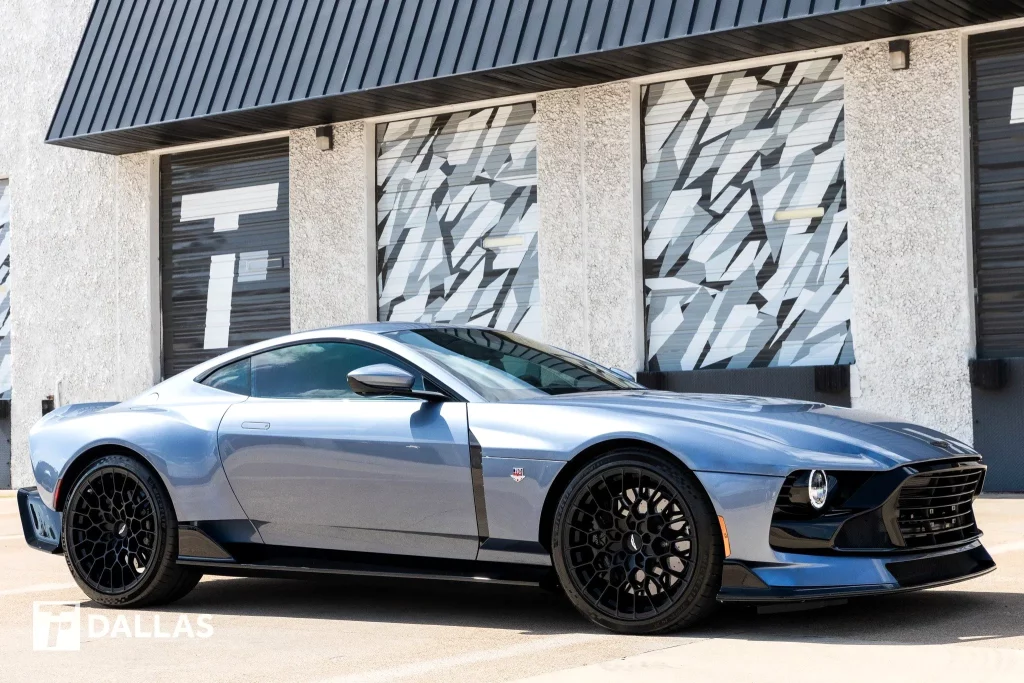
Are There Still Trade-offs? A Reality Check
Despite the shift, it’s important to recognize that these cars are still supercars—and that brings inherent challenges.
- Fuel Efficiency: Even with start-stop systems and hybridization, daily use still comes with high operating costs and less-than-ideal city mileage.
- Service and Maintenance: Driving a supercar regularly means wear and tear adds up quickly. Tires wear faster, carbon-ceramic brakes cost thousands to replace, and even an oil change may require special equipment.
- Insurance Premiums: Daily use means higher exposure to risk, and insurers know it. Coverage isn’t cheap.
- Attention Magnet: Even the most subtle Ferrari draws eyes in public, which may not appeal to everyone in day-to-day life.
Still, for those who accept these trade-offs as part of the package, the value proposition is more attractive than ever.
The Broader Impact: Supercars Are Becoming Lifestyle Vehicles
This shift toward daily-drivable supercars has broader implications for the luxury car industry. For one, it challenges the idea that peak automotive engineering must be divorced from usability. Brands once content with selling art on wheels now must integrate form with function.
It’s also redefining resale dynamics. A supercar with 30,000 miles is no longer a red flag—it can now be proof that it’s not just collectible but usable. Certified pre-owned programs for McLaren, Ferrari, and Aston Martin are expanding, which wouldn’t be possible without this new generation of livable vehicles.
Manufacturers are also exploring ways to make supercars more sustainable. From hybridized drivetrains to lightweight materials that reduce energy consumption, the “everyday” supercar may be the perfect vehicle to drive innovation across an entire brand.
Conclusion
Yes, the concept of a daily-drivable supercar is finally a reality. Cars like the McLaren GT and Ferrari Roma prove that you can have both speed and softness, thrill and comfort. No longer confined to rare occasions or special roads, today’s supercars are engineered for the rhythm of real life—without compromising on drama or desirability.
In a world where luxury buyers expect everything to do everything, supercars are finally growing up. And in doing so, they’re becoming more human, more useful, and more relevant than ever.