









Introduction: The Challenge of Maintaining Exclusivity in the Luxury Car Industry
The luxury car market has long been associated with exclusivity, refinement, and status. Owning a luxury vehicle, whether it’s a high-performance sports car, a prestigious sedan, or a high-end SUV, has been a symbol of success and a mark of distinction. These cars offer not only superior craftsmanship, technology, and performance but also an elevated experience that separates them from mainstream vehicles. However, as the automotive landscape shifts, maintaining exclusivity has become an increasing challenge for luxury brands.
In the modern age, factors like globalization, mass production, and changing consumer preferences are making it harder for traditional luxury car brands to maintain the air of exclusivity they once enjoyed. With the rise of electric vehicles, new players entering the market, and a shift in consumer expectations toward sustainability and personalization, luxury carmakers must adapt to ensure their vehicles remain a symbol of prestige.
This article explores how luxury car brands are maintaining their exclusivity in a rapidly evolving market. We will examine the role of customization, market shifts such as the rise of electric vehicles and the appeal to younger demographics, and the factors that contribute to brand loyalty. Ultimately, we will explore whether luxury cars can retain their exclusivity in the face of innovations that are redefining the automotive industry.
The Role of Customization: How Bespoke Options Elevate the Luxury Experience
Customization has always been a key element in the luxury car market. Unlike mass-produced vehicles, luxury brands understand that their customers are not just buying a car—they’re investing in an experience. A luxury vehicle is often an extension of the owner’s personality, tastes, and lifestyle. As a result, the ability to customize and personalize a vehicle plays a central role in maintaining its exclusivity.
1. Tailoring the Design
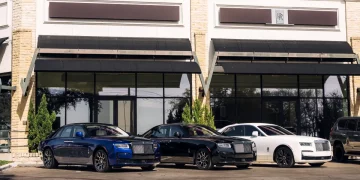
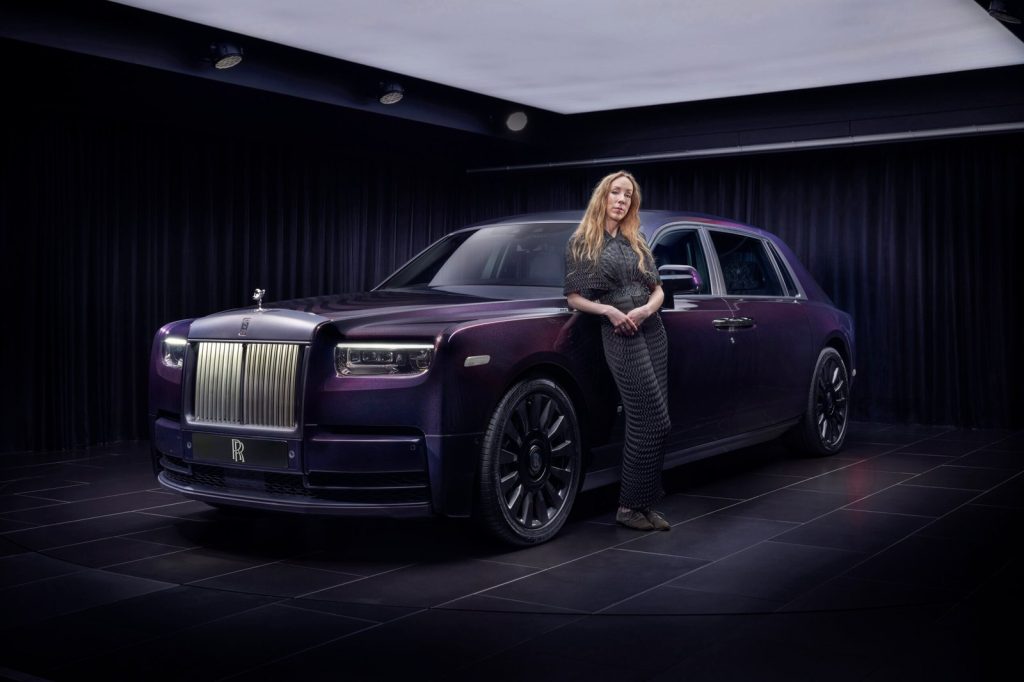
One of the most significant ways that luxury carmakers maintain their exclusive appeal is through bespoke design options. High-end manufacturers such as Rolls-Royce, Bentley, and Porsche offer extensive customization programs that allow clients to personalize nearly every aspect of their car. From custom paint colors to unique interior materials and stitching, these options ensure that each vehicle is one-of-a-kind.
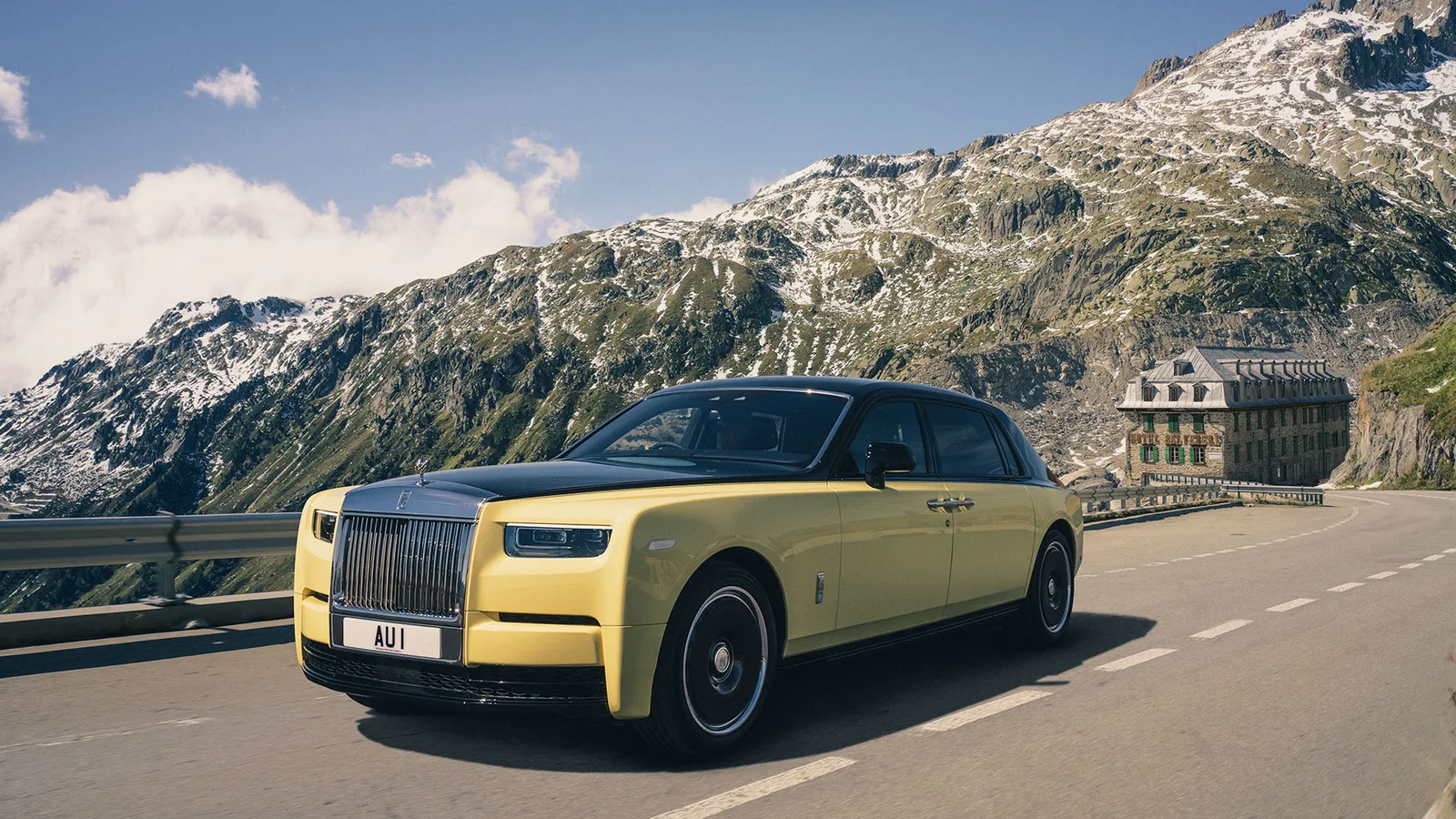
For example, Rolls-Royce’s Bespoke Program allows customers to choose from over 44,000 paint colors, customized interior details such as leather seats with personalized embroidery, and even unique wood veneers for the dashboard. Bentley’s Mulliner division provides similar levels of personalization, with options ranging from hand-stitched leather to custom-designed wheels and seat patterns.
These tailored options not only increase the vehicle’s exclusivity but also create a deeper emotional connection between the customer and the car. Owners feel a sense of ownership and uniqueness, which reinforces the luxury car’s aura of exclusivity.
2. Performance and Technology Customization
In addition to aesthetic choices, luxury carmakers also allow buyers to tailor the performance and technology features of their vehicles. For example, Porsche’s Exclusive Manufaktur offers bespoke performance packages, such as tuning the suspension, exhaust system, and even the car’s driving dynamics, allowing customers to fine-tune their driving experience.
Furthermore, the integration of advanced technologies allows for further personalization. With features like infotainment systems, driver assistance features, and interior lighting, luxury brands ensure that buyers can select the features that cater to their needs. This level of customization creates an immersive, individualized experience that mass-market brands can rarely match.
3. Limited Editions and Collaborations
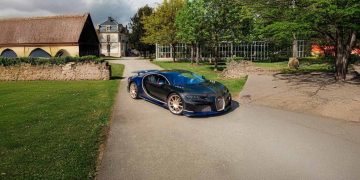
Another strategy used by luxury brands to maintain their exclusivity is the release of limited-edition models or collaborations with renowned designers or artists. Limited runs of special editions create a sense of scarcity, which in turn heightens the car’s desirability. For instance, Ferrari often releases bespoke, limited-edition models, and Aston Martin collaborates with high-fashion houses like Tag Heuer to produce unique vehicles. These exclusivity-driven collaborations not only offer a tangible sense of uniqueness but also tie luxury cars to broader luxury lifestyles, further enhancing their status.
Market Shifts: The Rise of Electric Cars and Younger Demographics
In recent years, the luxury car market has undergone significant shifts, with a growing focus on electric vehicles (EVs) and the emergence of younger consumers as key buyers. These changes have posed a challenge for traditional luxury car brands, who must adapt to remain relevant and exclusive while appealing to a new generation of buyers.
1. The Rise of Electric Vehicles (EVs)
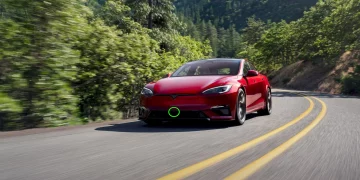
The shift towards electrification has been one of the most profound changes in the automotive industry, and luxury car brands are at the forefront of this transformation. Leading automakers like Tesla, Lucid Motors, Porsche, and Audi have introduced electric vehicles that offer a combination of cutting-edge technology, eco-friendliness, and high-performance capabilities. While electric vehicles are inherently more sustainable, their growing presence in the luxury market challenges traditional notions of exclusivity.
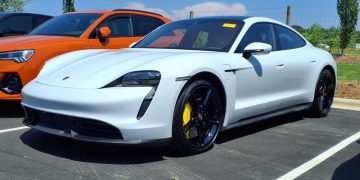
On one hand, electric vehicles from traditional luxury brands like Porsche’s Taycan and Audi’s e-Tron GT are reshaping the idea of a high-performance luxury car. These EVs deliver blistering acceleration, superior handling, and the kind of quality craftsmanship that defines luxury, making them highly desirable. However, the increasing availability of electric options at various price points means that EVs are no longer restricted to the ultra-wealthy or high-status individuals. As electric cars become more mainstream, they risk diluting the exclusivity of the luxury car segment.
To counter this, luxury carmakers are emphasizing high-end, premium electric models that combine futuristic technology with the traditional attributes of luxury—refinement, craftsmanship, and bespoke options. For example, Rolls-Royce is developing the Spectre, its first all-electric car, which promises to offer unparalleled comfort, performance, and customization. This allows luxury car brands to retain their exclusivity while appealing to a more eco-conscious demographic.
2. The Appeal of Younger Demographics
Another significant shift in the luxury car market is the growing influence of younger buyers. Millennial and Gen Z consumers are becoming increasingly important in the luxury sector, with many placing more value on sustainability, technology, and brand authenticity rather than simply the prestige that comes with owning a luxury vehicle. These younger demographics are not only seeking vehicles that align with their values but are also more open to adopting new mobility trends, such as electric cars, car-sharing, and subscription services.
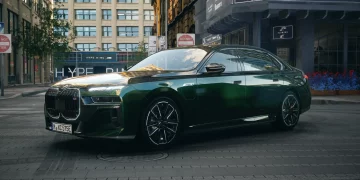
Luxury carmakers are adapting to this shift by focusing on innovation and sustainability. Electric powertrains, hybrid technology, and advanced infotainment systems are essential to attracting this younger audience, who are looking for cars that offer a seamless blend of luxury and cutting-edge technology. BMW, for instance, has invested heavily in its i Series electric vehicles, which combine performance and eco-friendliness with sleek, modern designs. By integrating sustainability into the luxury experience, these brands maintain their exclusivity while resonating with the values of younger buyers.
Moreover, younger buyers are more likely to place value on experiences over material ownership. As a result, luxury brands are also turning to digital platforms, car-sharing services, and subscription models to cater to this audience, offering flexibility and access without the long-term commitment of ownership. These innovations provide an alternative path to luxury car experiences, further diversifying the market.
Brand Loyalty: Why Consumers Continue to Trust Traditional Luxury Brands
Despite the rapid changes in the automotive industry, one thing remains constant: the loyalty of luxury car consumers. Many buyers continue to place their trust in established luxury car brands, believing that these companies offer unparalleled quality, performance, and service.
1. Heritage and Reputation
One of the most significant factors that contribute to the exclusivity of luxury cars is the heritage and reputation of the brands themselves. Companies like Mercedes-Benz, Rolls-Royce, Ferrari, and Porsche have built their legacies over decades, if not centuries, of producing high-quality, prestigious vehicles. For many buyers, purchasing a luxury car is not just about the vehicle itself but about becoming part of a rich legacy of craftsmanship and excellence.
In fact, this deep-rooted sense of heritage contributes significantly to brand loyalty. For example, the Porsche 911 has become an iconic model with a storied history, attracting a loyal following of customers who return to the brand generation after generation. Similarly, Rolls-Royce’s reputation for opulence and perfection has made it the ultimate symbol of exclusivity, and its patrons expect nothing less than perfection in every model.
2. Customer Experience and Service
Another factor that maintains the exclusivity of luxury cars is the exceptional customer experience that comes with purchasing and owning a vehicle. From personalized consultations during the purchase process to exclusive events, test drives, and after-sales services, luxury car brands go the extra mile to ensure that their customers feel valued and special. The attention to detail and commitment to service is unparalleled in the luxury market, and this experience fosters long-term loyalty.
For instance, Mercedes-Benz and BMW offer tailored concierge services, while brands like Ferrari and Lamborghini host exclusive events for owners, further reinforcing the sense of belonging to an elite club. These experiences are not easily replicated by mainstream brands, and they play a significant role in maintaining the exclusivity of luxury cars.
Conclusion: Will Luxury Cars Remain Exclusive in the Face of Mass-Market Innovations?
The luxury car industry is undoubtedly undergoing significant changes, driven by factors such as the rise of electric vehicles, shifting consumer demographics, and the increasing desire for customization and personalization. While these trends present challenges, luxury carmakers have proven to be highly adaptable, leveraging their rich legacies and focus on innovation to remain relevant and exclusive.
Luxury vehicles will continue to hold their allure
, thanks to the ability to tailor every aspect of the car to the buyer’s desires, the introduction of cutting-edge technologies, and the exceptional customer experience offered by top-tier brands. The future of luxury cars lies in their ability to blend exclusivity with sustainability, performance with eco-consciousness, and tradition with modernity.
In the end, luxury cars may face greater competition from electric vehicles and new market entrants, but they will remain exclusive as long as they continue to deliver unparalleled craftsmanship, performance, and personalized experiences that mass-market vehicles cannot replicate.